Neuschwanstein Castle tickets: common booking mistakes to avoid
Neuschwanstein Castle is not a queue-and-walk-in attraction. It is a fixed-capacity site: a nineteenth-century stone building with a narrow interior route, limited room inside, and a finite number of visitors assigned to each tour slot.
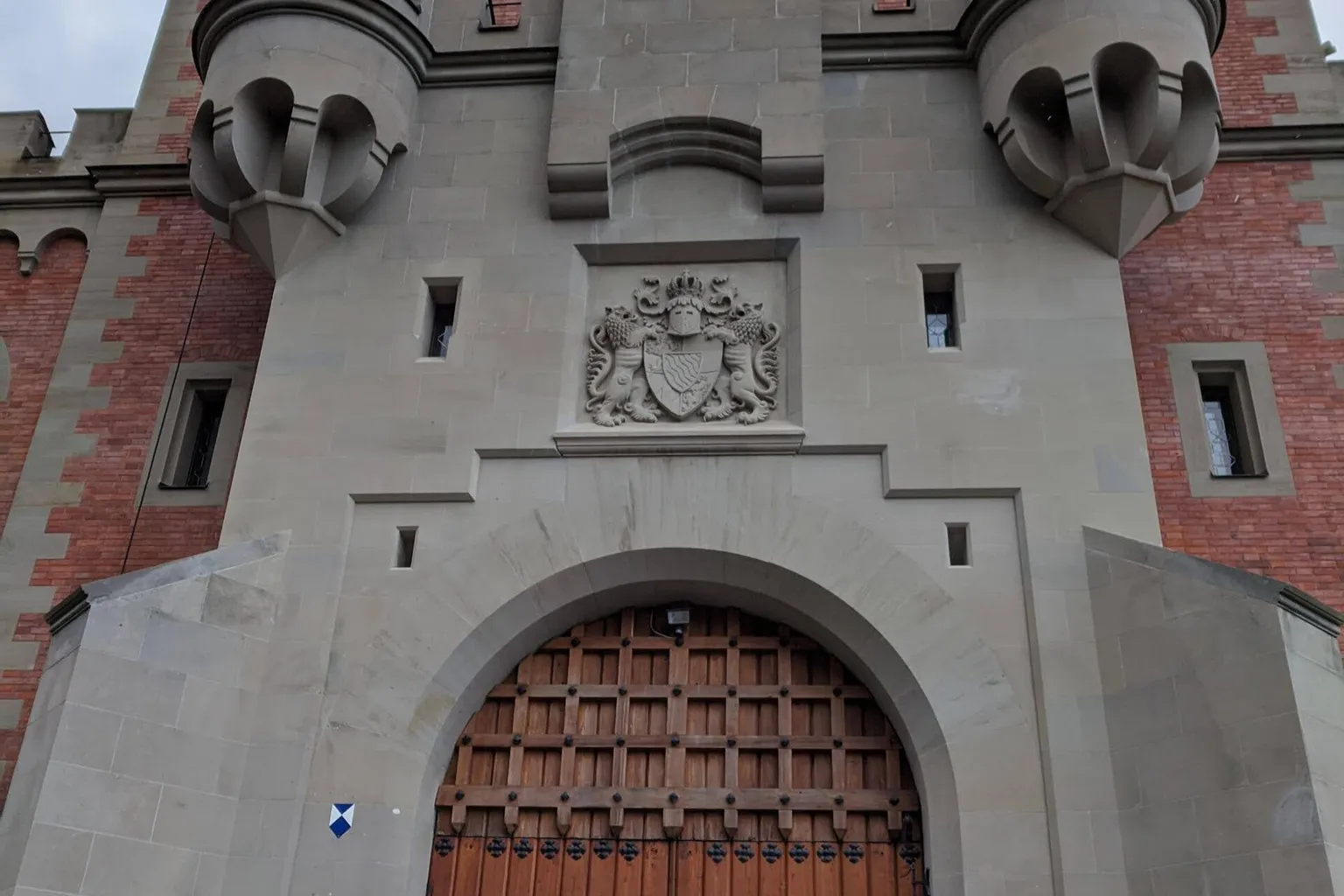
The reality at the gate
If you treat the castle like an ordinary museum, you can arrive at the foot of the hill in Hohenschwangau with a camera, a free afternoon, and no way into the palace.
Tickets and prices
Neuschwanstein Castle
Schwangau
01 · GetYourGuide
Skip-the-line ticket · Audio guide
€45
02 · GetYourGuide
Pass · Uphill shuttle included
€52
−10%03 · Official
Official ticket · Free entry under 18
That is the central fact behind almost every booking problem. The exterior is open to the landscape. You can see the towers from the roads, trails, viewpoints, and Marienbrücke without buying an interior ticket. The rooms inside the castle are different. Access is timed, organized, and tied to a reserved place in a guided tour.
If you want to buy tickets Neuschwanstein Castle offers for the interior, you are not buying general admission. You are reserving a particular tour slot on a particular day. The ticket is closer to a seat assignment than to an open-ended museum pass.
The distinction matters because many visitors make their plans in the wrong order. They arrange transport to Schwangau, set aside time for the castle, and only then ask whether tickets are available. By that point, the attractive time slots may be gone, and the remaining options may not fit the rest of the day.
What a Neuschwanstein ticket actually buys
A Neuschwanstein ticket gives you access to a scheduled tour of the castle interior. It does not provide unlimited access to the grounds, and it does not allow you to enter whenever you happen to reach the building.
The available tour format may be a guided group tour led by a member of the castle staff or an audio-guided visit using a headset and recorded narration. The format can vary according to the tickets available for the selected date. The practical rule is the same in both cases: entry is tied to a specific time.
You need to reach the designated meeting point before that time, not merely arrive somewhere in the village before the castle closes. The route from the valley to the castle takes time, and the final admission process is organized around the scheduled group. A visitor who arrives after the assigned tour has departed should not expect to join the next group or receive an automatic exchange.
That is why the following information matters when you book:
- the date printed on the reservation;
- the tour or entry time;
- the number of visitors included;
- the type of tour selected;
- the instructions for reaching the meeting point;
- the cancellation and rebooking conditions shown during checkout.
The ticket is valuable because it reserves a place in a controlled flow of visitors. It is not a promise that the castle will hold the group for anyone delayed on the road.
Neuschwanstein is not a museum you wander into when the timing feels convenient. It is a scheduled visit inside a building with very little room for improvisation.
This also explains the difference between seeing Neuschwanstein and entering it. You can have a worthwhile visit without going inside. The castle exterior, the mountain setting, the Pöllat gorge, and the views from the surrounding paths are all part of the experience. But if the purpose of your trip is to see the throne hall, the singers' hall, Ludwig II's completed rooms, or the artificial grotto, only a valid interior reservation gets you through the entrance.
What you can do without an interior ticket
You can still build a full day around the castle if interior tickets are unavailable. The following experiences do not depend on entering the palace:
- walk the trails around the castle hill;
- visit Marienbrücke, known in English as Mary's Bridge, when access is open;
- photograph the exterior from public viewpoints;
- take in the views across the surrounding landscape and toward the lakes;
- visit Hohenschwangau Castle, which is a separate ticketed attraction with its own booking arrangements;
- use the nearby mountain transport and walking routes where operating conditions allow.
What you cannot do without a valid reserved castle ticket is enter the palace interior or join an interior tour. The distinction should be made before you decide whether an online reservation is worth the effort. If the exterior is enough for your plans, no ticket may be necessary. If the rooms inside are the reason for the trip, booking is not an optional detail.
Navigating the official Hohenschwangau Ticket Center portal
The official first-party booking channel is the Ticket Center Hohenschwangau. It is the place to check availability, select a date and time, and reserve the number of places your party needs. The center also operates a physical ticket office in Hohenschwangau, below the castle hill.
The online shop is the more predictable route because it lets you plan around the availability shown in advance. You select the date, choose from the remaining entry times, enter the required visitor information, and complete payment. The total may include a booking fee in addition to the admission price. That fee is connected to the reservation process, not to a special benefit added by a reseller.
The portal is not difficult because the individual steps are complicated. It is difficult because availability and logistics are connected. A time that appears workable on the screen may become impractical once you add the journey to Hohenschwangau, parking, the walk or shuttle journey uphill, and the required arrival before the tour.
Before confirming a reservation, check the whole chain:
1. Choose the date before building the rest of the itinerary. A castle slot at the wrong time can disrupt transport, lunch, another attraction, or the return journey.
2. Select the correct number of visitors. Every person who will enter the castle needs a place reserved in the booking.
3. Read the entry time carefully. The time on the ticket is not a loose suggestion for the day. It determines when your group is processed.
4. Save the booking confirmation. Keep the digital ticket accessible and carry a printed copy if your group may have limited phone service or several devices sharing one battery.
5. Check the instructions for identification and collection. If the booking process asks for visitor details or directs you to a particular meeting point, deal with that before leaving for the hill.
6. Allow time for the approach. A reservation at the castle is not the same thing as a reservation at the village car park or a guaranteed immediate place on transport.
Tickets are tied to the selected date and time. They should not be treated as flexible admission that can be shifted to another day without going through the applicable rebooking process. The same caution applies to third-party offers. A reseller may appear in search results with availability after the official channel looks full, but the price can be higher and the conditions less clear.
The official Ticket Center is also where you should look first when checking whether a sold-out date has changed. Availability can be affected by cancellations or by inventory released through the system. There is no dependable trick that turns a fully booked date into an open one, but checking the first-party channel is more sensible than assuming a search-advertised reseller has some special access.
Why booking fees cause confusion
Visitors sometimes compare the admission price with the checkout total and assume that an error has been made. The difference may come from the booking fee attached to the reservation. Because the fee can apply to each reserved place, a family or group may see the total rise with every additional visitor.
That is particularly relevant when children are included. A child may be admitted without an admission charge under the applicable rules, but the child still needs a reserved place if the booking system requires one. A free or reduced-price place is still a place in a time-controlled tour.
The right comparison is not simply “adult price versus child price.” It is:
- the admission charge for each visitor category;
- the reservation or booking fee;
- the number of places required;
- the conditions attached to changes, cancellation, or missed entry.
Read the final booking summary rather than relying on the first price displayed on the page.
The mandatory reservation trap for children and families
One of the most serious neuschwanstein castle ticket booking errors is booking only the adults and assuming that children can be added at the entrance. That assumption is unsafe.
Every child who will enter the castle needs an official reserved ticket. This remains true when the child qualifies for free admission or another reduced-price category. The price may be zero or lower than the adult admission, but the reservation still places the child on the tour manifest and allocates space within the group.
A family that reserves two adult places but arrives with two unlisted children does not have a complete family booking. The adults may have valid reservations, while the children do not have confirmed places. Staff cannot be expected to create capacity at the meeting point after the group has been filled.
The rule is simple: count everyone who is entering, not just everyone who is paying.
| Booking situation | What it means |
|---|---|
| Two adults reserved, children arrive without tickets | The adults have places; the children do not have confirmed entry |
| Two adults and two children all included in the reservation | The whole family has places on the selected tour, subject to the ticket conditions |
| One adult and one child, only the adult booked | The child is not covered by the adult's ticket |
| A child qualifies for free admission but is included in the booking | The child still has a reserved place, even if no admission charge applies |
Do not interpret a free ticket as an optional ticket. The financial category and the capacity category are separate. The first determines what you pay; the second determines whether the child can join the tour.
The same logic applies to other complimentary or reduced-price visitors. If the official booking system provides a category that can be added to the party, add it. Do not leave a person out because the displayed admission price is zero.
This is also where family bookings can become awkward. A reservation may be technically available for one or two adults but not for the entire group. Booking the adults first and planning to solve the children’s places later can leave the family split across different times or without entry for part of the party. If being together matters, search for a slot that accommodates everyone before confirming payment.
A useful habit is to write down the exact number of people entering before opening the booking page:
- adults;
- teenagers and children;
- infants or very young children who will be present;
- anyone using a reduced-price or complimentary category;
- anyone who may not enter the castle but is travelling with the group.
Only the people entering the interior need interior tickets, but every person entering must be represented correctly in the official reservation. If you are uncertain which visitor category applies, check the current instructions in the Ticket Center rather than relying on an old travel post or a forum comment.
The price printed on a child’s ticket can be zero. The space occupied by that child on the tour is not zero.
Why same-day walk-up tickets are a high-risk strategy
The physical Ticket Center Hohenschwangau offers a legitimate same-day option when tickets remain. That does not make same-day purchase a dependable plan.
The box office releases a limited amount of remaining capacity, and demand is concentrated around popular dates and times. In the busiest periods, visitors may arrive before opening and still find that the preferred tour times disappear quickly. A same-day visit can work, particularly when the date is flexible and demand is lower, but it is a gamble when the castle is the main purpose of a tightly scheduled trip.
The problem is not only the possibility of standing in line and leaving without a ticket. It is the chain reaction that follows. If the only remaining entry is much later than expected, it can affect transport, meals, the return trip, or another attraction. If no tickets remain, the interior visit disappears entirely.
Same-day availability is especially risky when:
- you are visiting during the summer or school holidays;
- your party is large;
- you need several children’s or reduced-price places together;
- you have a fixed return train or tour;
- you are visiting on a popular weekend;
- you have planned the rest of the day around a particular entry time;
- you are travelling a long distance and cannot easily return another day.
The on-site channel is best understood as a fallback for visitors with flexibility, not as an alternative that guarantees access.
What to do if the official tickets are sold out
There is no reliable way to force entry on a sold-out date. The sensible response is to separate the problem into two questions: whether any official interior capacity remains, and whether the visit is still worthwhile without entering.
Check the official Ticket Center for any later availability or changed inventory. If your schedule permits, consider another date or a less crowded time of year. If you are already in Hohenschwangau and no interior ticket is available, plan around the exterior views, the bridge, nearby walking routes, and other attractions in the area rather than spending the entire day searching for an unofficial workaround.
Be cautious with sellers promising guaranteed access at the gate. A higher price does not remove the need for a valid booking, and a reseller’s description may not make clear whether the ticket covers every member of your group or only the paying adults. Before paying anyone, verify what is included, whose name the reservation carries, which date and time it covers, and whether the seller is an authorized channel.
The most reliable sold-out solution is often the least exciting one: change the date, change the plan, or accept an exterior-only visit. That is more useful than building the day around a ticket that may not exist.
Logistics of arrival and the 90-minute buffer
A timed-entry ticket creates a second obligation beyond booking: reaching the meeting point with enough time to spare.
Neuschwanstein stands above Hohenschwangau. The route from the valley involves parking or public transport, finding the correct direction, and then continuing uphill on foot or by available local transport. The ticket time is therefore not the time to leave your car, get off a bus, or begin looking for the castle.
A practical arrival buffer is around 90 minutes, and some itineraries may justify allowing even more. The purpose is not to create unnecessary waiting. It is to absorb the ordinary friction of a busy visitor site:
- finding a space in the designated parking area;
- walking from the car park or public transport stop;
- locating the Ticket Center or the relevant meeting point;
- waiting for available uphill transport if you choose not to walk;
- walking up the hill if transport is crowded, delayed, or unavailable;
- dealing with children, bags, weather, or mobility limitations;
- allowing time for orientation before the scheduled tour.
The walk uphill is manageable for many visitors but should not be treated as a few effortless minutes. The route can be steep in places, and the time required depends on pace, crowding, weather, and the people in your group. A family with young children or anyone with limited mobility should make that calculation before selecting an early or tightly spaced entry.
Shuttle access is a separate logistics question
The official castle shuttle bus is a transport option between the valley area and the upper part of the route. Its operation, boarding arrangements, availability, and fares are separate from the interior admission reservation. Having a castle ticket does not turn the shuttle into a guaranteed reserved transfer, and a shuttle ride should not be confused with admission to the palace.
Check the current operating information for the day of your visit. Service can be affected by weather, road conditions, maintenance, demand, or seasonal schedules. If the shuttle is not running or the queue is longer than expected, you need enough time to use the walking route instead.
This is one reason the 90-minute buffer is not excessive. A visitor who plans every step around an immediate shuttle departure has no margin when the bus is full or the line is slow. A visitor who treats the shuttle as one part of the approach has a workable alternative.
The journey from Füssen by public transport requires the same discipline. A train arrival does not place you at the castle. You still need the onward bus to Hohenschwangau and time to get from the village to the relevant meeting point. On a busy day, small delays at the start can become a missed tour at the end.
What to do with bags and equipment
The interior visit is not the right moment to carry a large suitcase, oversized backpack, or unnecessary camera equipment. Check the current rules on luggage and storage before travelling, and make arrangements near the village if your group has bags that cannot be taken inside.
Photography and filming restrictions inside the palace also matter. The most recognizable photographs of Neuschwanstein are generally taken from outside, at the bridge, on public paths, or from designated viewpoints. Do not plan an interior photo session as part of the tour. Drones and other equipment may also be restricted around the site.
The practical packing list is therefore short:
- the official booking confirmation;
- identification if requested by the ticket instructions;
- a charged phone or a printed copy of the reservation;
- weather-appropriate clothing;
- comfortable shoes for the uphill approach;
- only the bags you can carry easily and that are permitted.
The arrival buffer is not spare sightseeing time. It is the time needed to move from the village to the castle without turning a valid ticket into a missed one.
How the common mistakes fit together
Most booking failures are not caused by one mysterious rule. They happen when several ordinary assumptions collide:
1. The visitor assumes the exterior and interior work the same way. They do not. The landscape can be explored flexibly; the palace interior operates by timed tour.
2. The visitor books only the adults. Every child entering needs an official reserved ticket, even when the child qualifies for free admission.
3. The visitor treats the ticket time as an approximate arrival target. It is a scheduled entry point, and the approach to the castle must happen before it.
4. The visitor treats same-day availability as normal inventory. It is limited capacity released at the box office, not a promise that a ticket will be waiting.
5. The visitor assumes the shuttle solves the uphill journey automatically. It is a separate transport service whose operation and availability must be checked.
6. The visitor plans around the castle without planning around the village. Parking, public transport, queues, walking time, and weather are all part of the visit.
Seen together, these are not minor technicalities. They determine whether the reservation works in practice.
Practical info
Currency: EUR
Driving: on the right
Emergency number: 112
Key facts
Built: 1869
Architect: Christian Jank
Height: 65 m
Heritage status: architectural heritage monument in Bavaria
Official website: neuschwanstein.com
FAQ
Can I visit Neuschwanstein Castle without a ticket?
Do children need a ticket for Neuschwanstein Castle?
How far in advance should I arrive for my tour?
Is the castle shuttle bus included with my ticket?
What should I do if tickets are sold out online?
Photo: DestinationFearFan / CC BY-SA 4.0 — Wikimedia Commons