Why Worcester County’s Hazard Planning Matters for Somerset Residents
When our neighbors in Worcester County open the door to hazard planning public meetings, as CoastTV reports, it's worth pausing for a second.
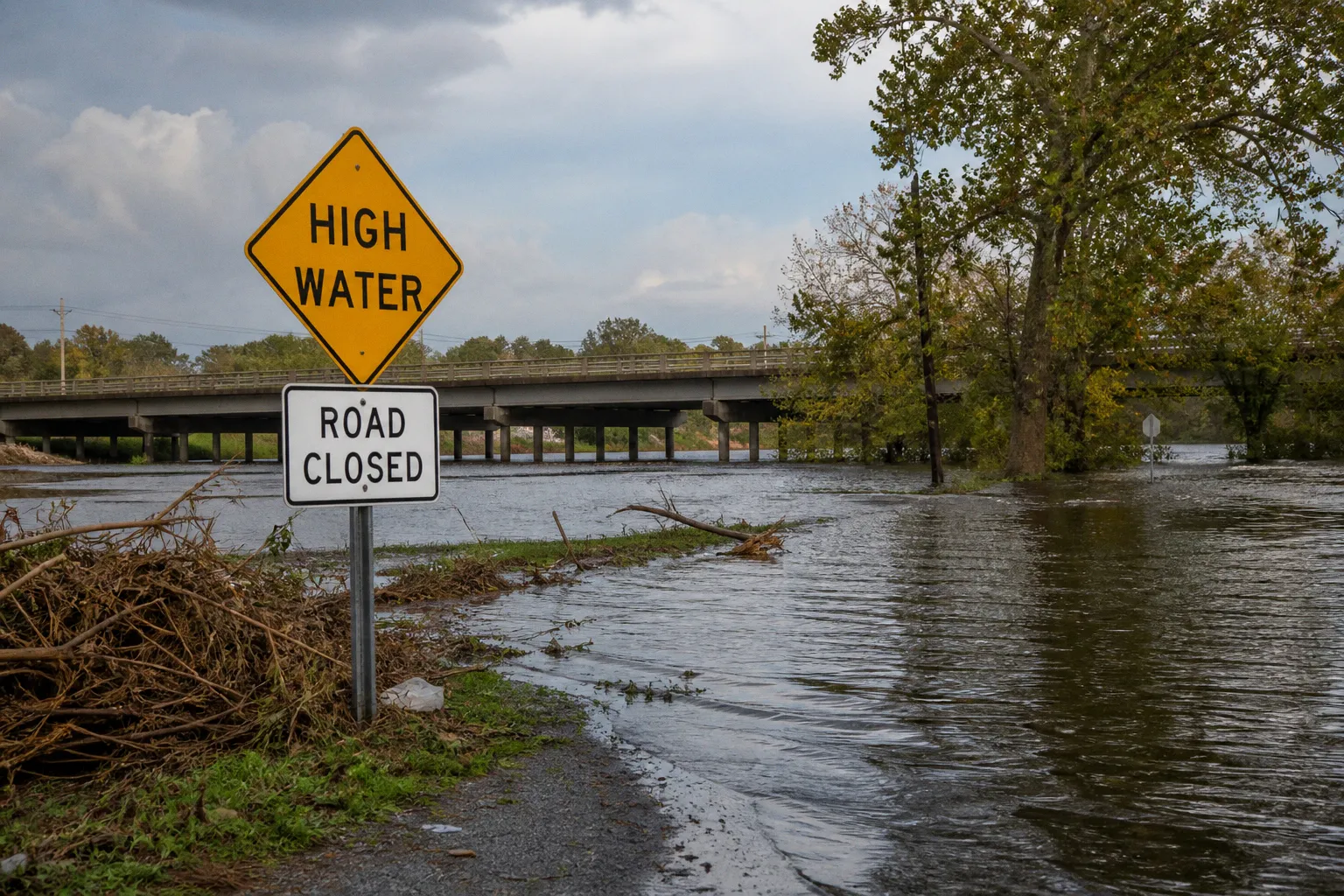
Worcester hugs the coastline right next door to us, and the storm surge, shoreline erosion, and flood risks they're mapping out are the very same forces shaping life here in Somerset County. This kind of planning isn't abstract paperwork — it determines whether the road to your house survives the next big nor'easter, where evacuation routes lead, and how future development gets steered around the most vulnerable ground.
What hazard planning actually means
If the phrase conjures images of dense government documents and confusing maps, you're not alone — but here's the plain-language version. Hazard planning is how a county takes stock of the natural risks it faces — flooding, hurricanes, sea level rise, severe storms — and turns that knowledge into a practical playbook. That playbook ends up shaping your zoning map, your evacuation routes, your insurance premiums, and how new construction gets approved. The public meetings happening in Worcester are the moment when residents get to look over the draft before it locks in. Think of it as the open window between the experts' analysis and the final policy.
Why this matters for our community fabric
Worcester and Somerset share more than a border — we share the Chesapeake Bay's tributaries, the same tidal wetlands, and the same Atlantic-facing storms. When one county updates its hazard plan, it often signals what's coming down the pipeline for the rest of the Eastern Shore. Practically speaking, this is your chance to build the habit before Somerset County opens its own round of public comment. Show up to one Worcester meeting — even virtually — and you'll learn the vocabulary, meet the staff who handle these plans, and see which community concerns actually move the needle.
How to stay plugged in without burning out
You don't have to become a hazard planning expert overnight. A few small steps put you ahead of the curve:
- Bookmark your county's planning department page and check it once a month — meeting agendas live there before calendar invites go out.
- Sign up for any email or text alert system your municipality offers; most post public hearing notices there first.
- When a draft plan is released, read just the executive summary and the maps — that's where the real decisions hide.
- Bring a neighbor to your first meeting. Two sets of eyes catch more than one, and showing up together signals to staff that residents are paying attention.
Hazard planning works best when the people who actually live in the flood zones, on the vulnerable roads, and along the shifting shorelines show up to speak. Our neighbors in Worcester are getting that chance right now. When Somerset's turn comes, we'll be ready.