Why Somerset County Was Excluded from the Latest $40 Million Water Infrastructure Grant
More than $40 million from the Maryland Department of the Environment is flowing toward aging water mains — but every dollar targets Montgomery and Prince George's counties, not Somerset.
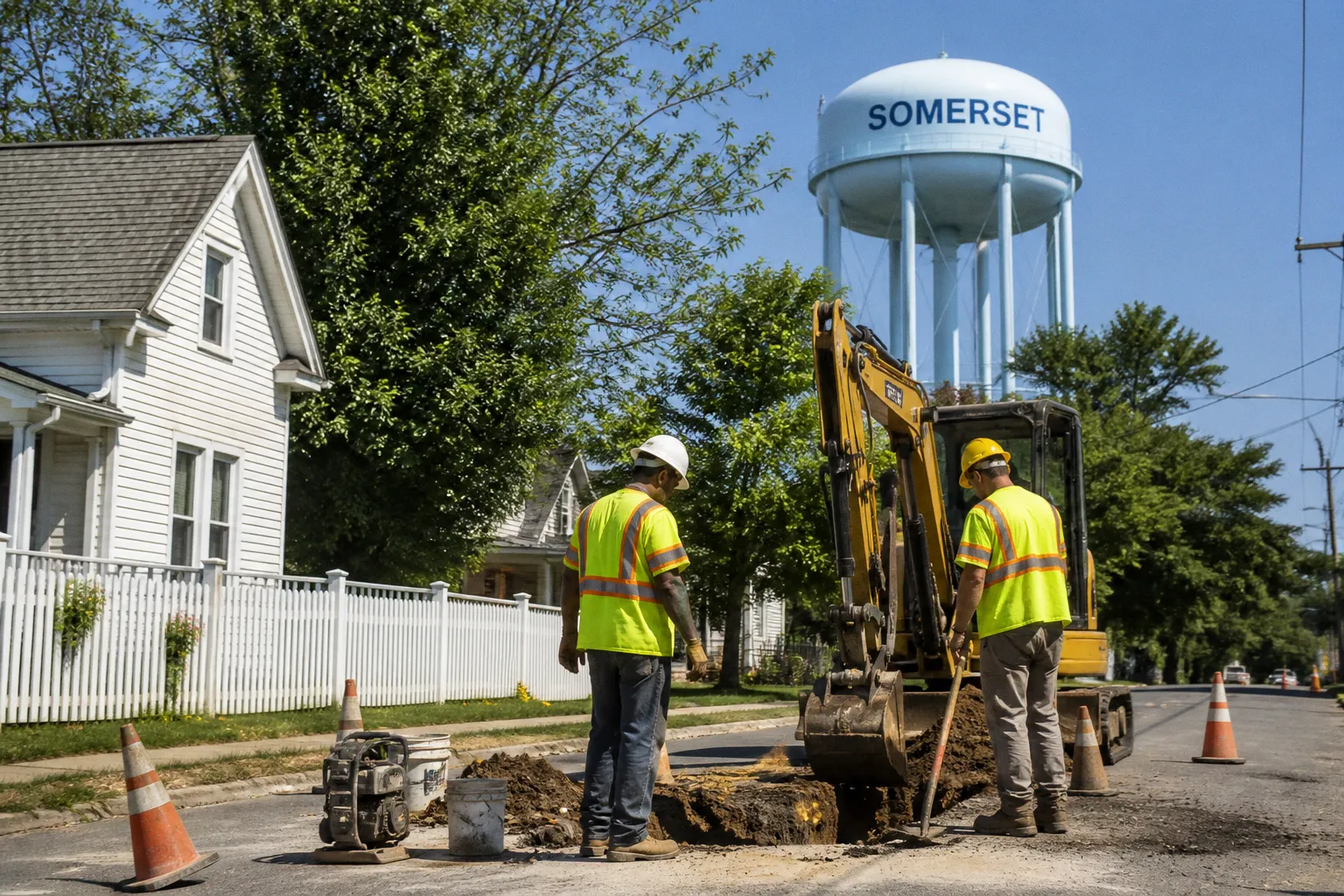
The state announced funding for six replacement projects in those two jurisdictions, leaving Lower Shore residents with a familiar question: where does our crumbling infrastructure fit on the priority list?
What Got Funded
The Maryland Department of the Environment is allocating more than $40 million to replace aging water mains across Prince George's and Montgomery counties. Six projects made the cut, each aimed at modernizing drinking water systems and preventing service disruptions. Both counties carry dense service populations and decades of deferred pipeline replacement — the textbook case for state intervention.
Somerset County didn't make the list. Neither did any other Lower Shore jurisdiction.
What Somerset Residents Should Do About It
If your block has been dug up for the same water main three times in a decade, you're living the problem Montgomery and Prince George's are being paid to fix. Here's a practical checklist to start building the local case:
- Pull your Consumer Confidence Report. Every community water system publishes one annually. Look for source water assessments, detected contaminants, and any infrastructure notes. If the report is thin or missing sections, that's a red flag worth filing with the Maryland Department of the Environment.
- Ask your utility one direct question: when were the trunk lines serving your address installed, and what is the documented break history? Get the answer in writing, not over the phone.
- Check the county capital improvement plan. Somerset's comprehensive plan and capital budget will tell you whether water main replacement is scheduled, deferred, or absent. Deferred is the most common status for rural systems with tight rate bases.
- Show up to public works meetings. These funding decisions follow political pressure as much as engineering need. The six projects funded here were the ones that got staffed, documented, and pushed by local leadership.
The Hard Reality
State infrastructure dollars move in predictable rounds, and they reward jurisdictions that submit competitive applications. Somerset's smaller population and tighter rate base make large-scale replacement harder to finance locally without state support. Until residents, county commissioners, and the local water supplier assemble the documentation — break rates, service interruption logs, water quality data — and push it through the application pipeline, the money keeps flowing to the counties that do the homework.