Laurie-Anne Sayles and Housing Experts Discuss Strategies for Expanding Regional Housing Access
A Montgomery County government announcement says Councilmember At-Large Laurie-Anne Sayles joined Maryland and county housing leaders at the 2026 National Economic Mobility and Opportunity Conference…
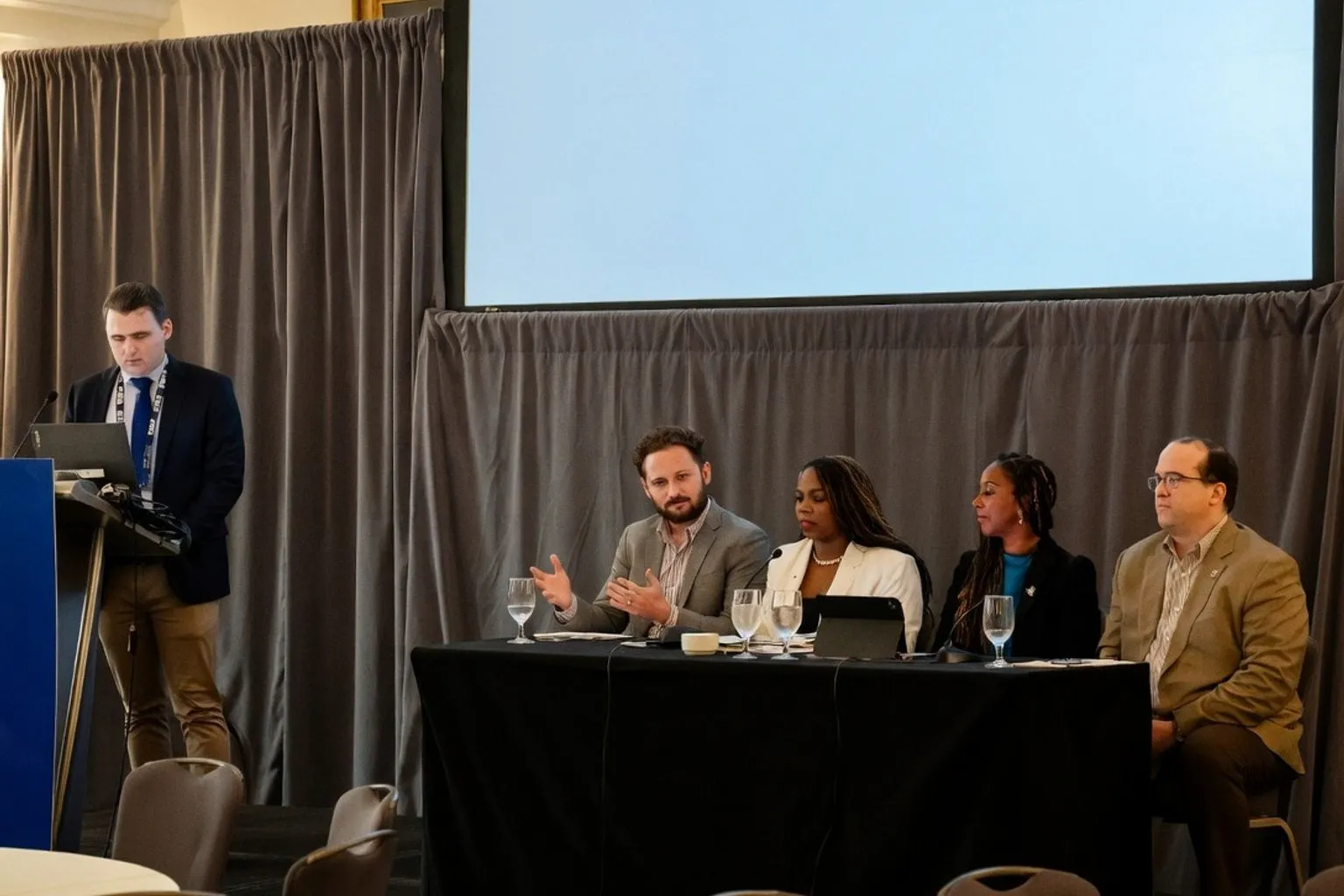
A Montgomery County government announcement says Councilmember At-Large Laurie-Anne Sayles joined Maryland and county housing leaders at the 2026 National Economic Mobility and Opportunity Conference to discuss how zoning, public financing, and cooperation between governments can expand housing opportunity. For residents following land-use decisions in Somerset County, the conversation is useful because it shows how housing policy reaches beyond a single zoning vote: the real test is whether approved projects become homes that people can afford and remain connected to jobs, schools, health care, and daily services.
The housing conversation is moving beyond zoning alone
The conference panel brought together Sayles, Maryland State Housing Ombudsman Steven A. Palmer, Housing Opportunities Commission President and Executive Director Chelsea Andrews, and Montgomery County Planning Board member James Hedrick. The official county account said the group examined the full path from housing policy to completed homes.
That path includes state and local coordination, zoning and regulatory review, public financing, engagement with communities and developers, and the practical work of delivering housing after approvals are granted. In other words, a rezoning can open a door, but it does not by itself solve financing, permitting, infrastructure, design review, or construction delays.
That distinction matters on our own block. When a new development is proposed, residents often see the zoning decision first, while the other pieces remain less visible. The conference discussion points to a broader set of questions: Which standards will apply? How will reviews be coordinated? What public resources are available? When will neighbors have meaningful opportunities to participate? And what happens between entitlement and construction?
Public financing is one part of the pipeline
The Housing Opportunities Commission highlighted its $100 million Housing Production Fund, described as a revolving public-financing model that provides lower-cost construction financing for mixed-income housing. According to the official county announcement, the fund’s current pipeline includes seven projects projected to produce approximately 6,000 homes, including 1,800 permanently affordable homes.
Those figures describe the fund’s pipeline, not a guarantee that every proposed home has already been completed. That is an important distinction for anyone tracking housing announcements: projected production, approved units, homes under construction, and completed homes are different milestones.
The discussion also addressed Maryland Governor Wes Moore’s “Housing Starts Here” initiative. The state housing ombudsman’s role, as described by the county, includes coordinating among state agencies, local governments, developers, and community stakeholders to address permitting and entitlement barriers, move delayed projects forward, and support housing on government-owned and transit-accessible land.
For Somerset County, the practical takeaway is not that Montgomery County’s tools can simply be copied here. It is that future housing proposals should be evaluated as a connected system. Zoning capacity, public investment, transportation access, review timelines, and affordability goals all shape what residents ultimately experience.
What residents should watch in local decisions
The conference discussion identified several signals that can help us read local development proposals more clearly. Predictable development standards can make it easier for applicants and neighbors to understand what is expected. Coordinated reviews may reduce delays caused by agencies working separately. Early problem-solving can address conflicts before they become expensive or entrenched. Meaningful public engagement can give residents a clearer role before decisions are final.
When a proposal comes before a local board, you can start by asking where it sits in that larger process. Is the matter about land-use entitlement, financing, infrastructure, or construction? Are affordability commitments stated clearly, and are they tied to a defined stage of development? Which agency or board is responsible for the next step? What information is still missing?
These questions keep the conversation grounded in what this means for your block rather than in broad promises about growth. The Montgomery County panel did not offer a single housing formula. It underscored a more practical lesson for every Maryland community: housing outcomes depend on how well zoning, funding, public agencies, developers, and residents work together from the first proposal through the delivery of completed homes.