Assessing the Impact of Maryland’s $80 Million Rural Health Grant on Somerset County
According to the Maryland Office of the Governor, Governor Wes Moore announced that the Maryland Department of Health is awarding $80 million in federal Rural Health Transformation Program grants to…
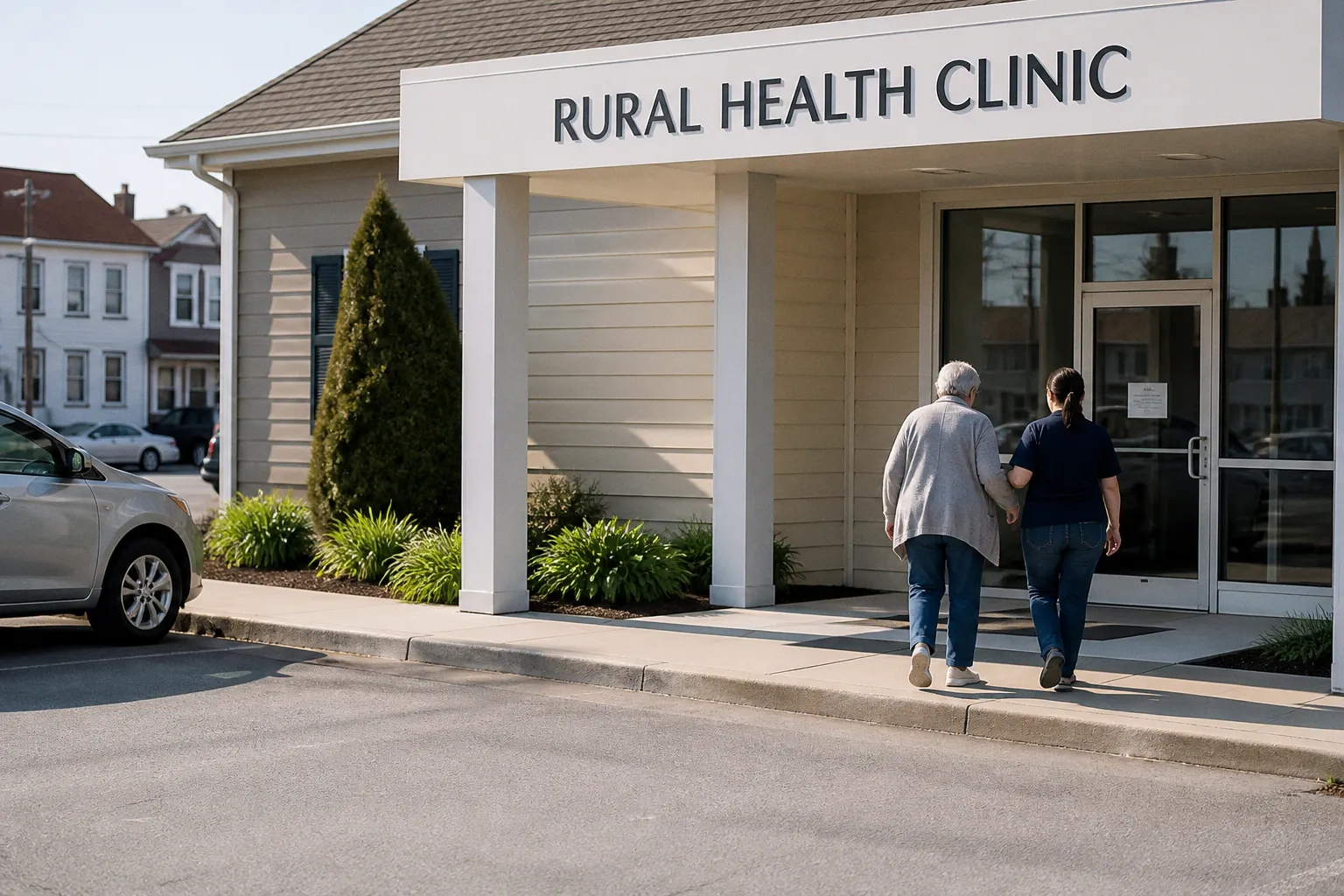
According to the Maryland Office of the Governor, Governor Wes Moore announced that the Maryland Department of Health is awarding $80 million in federal Rural Health Transformation Program grants to 41 grantees across Maryland’s 18 rural counties. The first-year awards target primary care, behavioral health, and dental services through projects including hub-and-spoke telehealth, virtual and mobile pediatric specialty care, integrated behavioral and primary care, and 3D printing for oral-health needs. For Somerset County’s growth and infrastructure picture, the hard question is what reaches the ground, where it is located, and who carries the bill after the award.
What the first round buys
The state describes the funding as a way to strengthen and expand access to care while improving quality and reducing costs across the health-care system. It estimates that the first-round projects will extend primary-care services to tens of thousands of additional rural Marylanders.
That is a statewide estimate, not a Somerset service count. The announcement does not provide a local headcount, facility list, or Somerset-specific allocation in the details supplied. Readers should not turn the statewide projection into a local promise without a named project and a measurable result.
The range of approaches matters. Telehealth, mobile services, integrated care, and oral-health technology are not interchangeable with a new clinic. Each places a different demand on buildings, staff, communications, transportation, and maintenance. A grant announcement is not the same thing as usable infrastructure.
Make Somerset ask for the load-bearing details
Start with the paperwork. Before treating any project as a local investment, request the grantee’s name, award amount, project location, implementation schedule, matching funds, and responsible operating budget. If the project uses an existing building, put deferred maintenance, parking, drainage capacity, utilities, and access routes on the same page as the grant.
If it requires a new or changed site, find out where it stands in the zoning and site-plan process. A health-service project can affect surrounding land use even when it is presented as a program rather than a construction project. Traffic, parking, water and sewer demand, utility connections, and emergency access all deserve a local review before the work is described as complete.
The Daily Record reported that county leaders at the Maryland Association of Counties summer conference were seeking more options as reduced state aid and shifted costs tightened budgets. That makes one distinction essential: federal grant money can pay for an initial project, but it does not answer the local question of recurring staffing and upkeep. The operating plan must stand on its own.
Keep the five-year promise on a short leash
The governor’s release says Maryland received $168 million in federal funding for the program’s first budget period in December 2025 and describes the program’s funding as renewable over five years. The new $80 million figure is the first-year award described in this announcement. Future funding should not be treated as committed local money until it is awarded and assigned to a project.
The state also says rural stakeholders helped identify community needs, and that the Rural Health Transformation Committee continues to meet quarterly in 2026. Somerset readers should use that process to ask for a local accounting: money received, work completed, services actually added, and costs that remain after the grant period.
The useful measure is not the size of the headline. It is whether a service can operate, be reached, and be maintained without creating a new burden somewhere else. That is where a health award becomes infrastructure—or simply becomes another line item with no building, staff, or long-term capacity behind it.