Maryland Sustainable Communities: how the program works
A notice about a new housing project, a vacant downtown building, or a long-discussed streetscape improvement can leave residents with the same practical question: who decides whether this project…
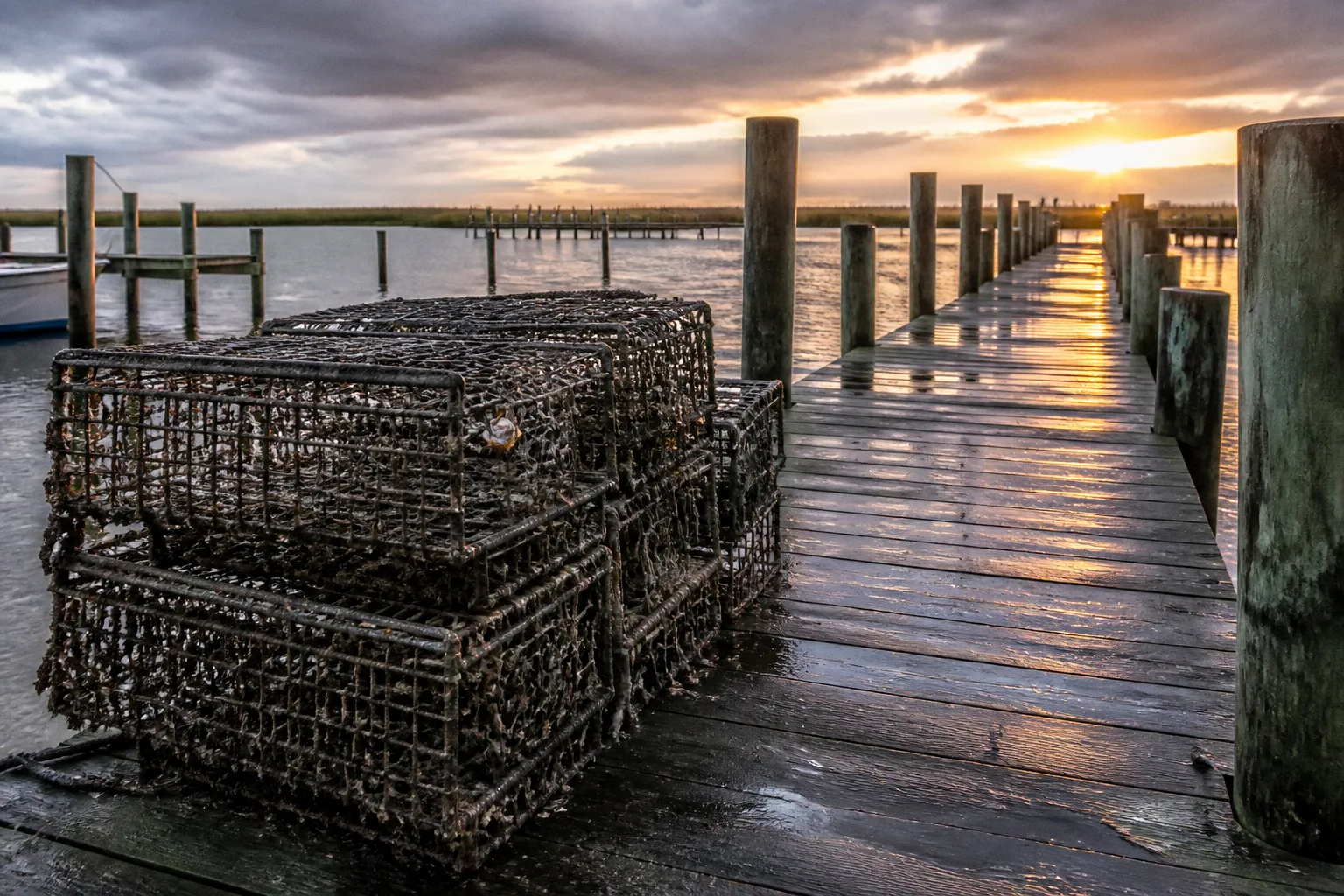
A notice about a new housing project, a vacant downtown building, or a long-discussed streetscape improvement can leave residents with the same practical question: who decides whether this project moves forward, and where does the money come from to make it happen well?
In Somerset County, one part of that answer is the Maryland Sustainable Communities program. The sustainable communities designation in Somerset County identifies areas that can use a set of state funding tools for economic growth, historic preservation, housing revitalization, and neighborhood improvement. It does not hand residents an unrestricted pot of money, and it does not replace local planning or public participation. Instead, it creates an important connection between a designated community and Maryland’s revitalization programs.
For our community, that connection matters because a designation can shape which projects are eligible for state assistance and how local leaders organize their priorities. It can influence what happens to a vacant property, whether a small business corridor receives attention, and how housing work fits into a broader plan for the neighborhood.
What the sustainable communities designation actually does
The Maryland Sustainable Communities program was established through the Sustainable Communities Act of 2010. It is administered by the Maryland Department of Housing and Community Development, or DHCD, with approvals overseen by Maryland’s Smart Growth Subcabinet.
The basic idea is straightforward: communities facing revitalization needs, or communities working to manage growth, can receive a geographic designation that opens the door to specialized state funding programs. The designation is not simply a recognition badge. It functions as a threshold for accessing several state tools, including programs connected to:
- economic development and local business growth;
- housing rehabilitation and neighborhood revitalization;
- historic preservation;
- strategic demolition and the reuse of difficult properties;
- planning, operating, and implementation support.
That threshold is the part residents most often need clarified. A designated area is not automatically awarded a grant. Local governments, nonprofit organizations, community groups, and other eligible applicants still have to apply through the relevant program, meet its requirements, and show how the proposed work advances the community’s adopted priorities.
In other words, the designation helps determine whether a project can enter the conversation with certain state programs. It does not guarantee that every proposal will be funded.
The designation is best understood as a funding gateway, not a blank check for neighborhood projects.
This distinction is useful when we talk about Somerset County community revitalization grants. A project may be located inside a designated Sustainable Community and still need a clear scope, an eligible applicant, a realistic budget, appropriate approvals, and evidence that the work will serve a public revitalization purpose.
Why geography matters
The designation applies to a defined community area rather than automatically covering every property or every project in the county. That geographic focus helps the state connect funding to a coherent place: a downtown, a neighborhood, a historic area, or another community with shared development needs.
For you, this means the first question is often not simply whether a project is in Somerset County. The more useful question is whether the project sits inside one of the county’s designated Sustainable Communities and whether its proposed activity matches the goals established for that area.
This is where the phrase sustainable community area designation in Maryland can sound more complicated than it is. The designation creates a planning and funding framework around a particular place. It gives local partners a way to present related projects as part of a larger community strategy rather than as isolated requests.
A housing rehabilitation project, a small-business loan, and the reuse of a vacant historic building may be separate efforts, but they can support one another when they are planned around the same commercial district or neighborhood.
Somerset County’s designated communities
Somerset County has three designated Sustainable Communities:
1. The City of Crisfield
2. The Town of Princess Anne
3. Smith Island
Each place has a different physical setting, economic history, and development challenge. The program does not assume that one revitalization model will work everywhere. That is important because a downtown commercial corridor in Crisfield, a town-centered project in Princess Anne, and an island community such as Smith Island will not have the same infrastructure, housing, transportation, or business needs.
Crisfield
Crisfield’s designation places its revitalization work within the larger Maryland framework for community investment. For the city, that may include efforts related to historic buildings, housing conditions, vacant properties, local business activity, and the public spaces that shape how people experience the waterfront and downtown.
A designation can help local partners connect these issues. A building rehabilitation project, for example, may have value beyond the structure itself if it supports a business district, protects historic character, creates housing, or brings an underused property back into productive use.
That is the practical meaning of community revitalization: not simply making one property look better, but strengthening the surrounding community fabric so that improvements reinforce one another.
Princess Anne
Princess Anne’s role as a designated Sustainable Community gives the town a framework for pursuing revitalization projects that support its traditional center, local businesses, housing needs, and public realm.
When we talk about Princess Anne sustainable community planning, the emphasis should be on how individual decisions fit together. A façade improvement, a housing project, or an investment in a public building can contribute to a stronger town center when it responds to an identified local priority and is coordinated with other work.
The designation can also help local leaders explain why a project matters beyond its immediate site. A property may be privately owned, but its condition can affect nearby businesses, pedestrian activity, neighborhood confidence, and the town’s ability to attract further investment.
Smith Island
Smith Island presents a distinct development context. Its geographic isolation and island setting create practical considerations that do not apply in the same way on the mainland. Housing, access, business continuity, historic preservation, and infrastructure decisions must be understood through the realities of an island community.
For Smith Island, the designation can provide a structure for aligning state revitalization resources with local priorities. That does not erase the logistical challenges of delivering a project, but it gives community partners a recognized pathway for seeking assistance and presenting the island’s needs within Maryland’s broader community development system.
One county, three different strategies
The county’s designated areas should not be treated as interchangeable. A strong application or plan for one area may not translate directly to another.
| Community | Planning context | Likely questions for local partners |
|---|---|---|
| Crisfield | City revitalization, historic assets, housing, vacant properties, and local economic activity | How can investment strengthen the downtown and waterfront community fabric? |
| Princess Anne | Town-center revitalization, housing, local businesses, and public spaces | How can projects reinforce the town’s center and support everyday community life? |
| Smith Island | Island access, housing, historic character, and economic resilience | How can funding respond to the island’s distinct geography and local priorities? |
The table is not a list of guaranteed project categories or funding awards. It is a way to see why the same state program must be applied with local knowledge.
How the designation connects to state funding
The sustainable communities designation is connected to several Maryland programs that can support community development. The available tools named in the program framework include the Community Legacy Program, Strategic Demolition Fund, Neighborhood BusinessWorks loans, and Operating Assistance Grants.
Each tool serves a different purpose. That difference matters because the right funding program depends on what a project is trying to accomplish.
Community Legacy
Community Legacy is associated with neighborhood revitalization, housing, and community improvement work. A project connected to a designated area may be considered in relation to broader efforts to strengthen an established community, preserve its character, or improve conditions for residents and local businesses.
The strongest proposals usually make the connection visible. They explain the problem, identify the people and properties affected, and show how the work supports a community plan rather than standing alone.
Strategic Demolition Fund
Demolition can sound like the least complicated kind of development: remove a dangerous or vacant structure and move on. In practice, it raises important questions about what comes next.
The Strategic Demolition Fund is part of the state’s revitalization toolkit for difficult properties and strategic sites. A proposal must be understood in terms of the future use or community benefit that demolition is meant to support. Removing a building without a credible next step can leave a gap rather than create a stronger block.
For what this means for your block, the question is not only whether a vacant structure is unpleasant or unsafe. We also need to ask whether its removal will support housing, public space, business activity, redevelopment, or another clearly defined community purpose.
Neighborhood BusinessWorks
Neighborhood BusinessWorks loans are designed to support business activity in eligible communities. For local entrepreneurs, this kind of tool can be relevant when a business needs help with a building, expansion, renovation, or another investment tied to a neighborhood commercial area.
A loan is different from a grant. It creates a repayment obligation and requires a business plan that can withstand practical questions about revenue, operations, property, and market conditions. The Sustainable Communities designation may help establish the project’s geographic eligibility, but it does not remove the need for a viable business model.
Operating Assistance Grants
Not every community development need is a construction project. Local organizations may need support to coordinate revitalization, engage residents, manage a program, or carry out work that keeps a larger strategy moving.
Operating Assistance Grants recognize that community capacity is part of development. A neighborhood cannot make effective use of capital if no one has the time, structure, or local relationships to organize the work. This is especially relevant when a community is balancing several priorities at once, including housing, historic preservation, small-business support, and public improvements.
What applicants still have to do
The designation helps open the door, but applicants must still navigate the board, the application process, and the requirements of the individual funding program. A practical proposal generally needs to answer several connected questions:
- What specific community problem is the project addressing?
- Who is responsible for carrying it out?
- Why is this location important?
- How does the project fit the Sustainable Community plan?
- What other approvals, funding sources, or property arrangements are involved?
- What will residents, businesses, or visitors experience after the work is complete?
- How will the project remain useful and financially realistic over time?
These are not bureaucratic exercises for their own sake. They are the questions that determine whether a project can move from a good idea to a deliverable investment.
The five-year renewal cycle keeps the plan active
A Sustainable Community designation is not intended to remain on a map without ongoing local work. Designated communities must submit five-year plan updates to DHCD in order to remain eligible for program funding and designation renewal.
The five-year cycle gives communities a reason to revisit their priorities. Conditions change. A property that once seemed central to a revitalization strategy may no longer be available. A housing need may become more urgent. A business corridor may face a different challenge than it did during the previous planning period. Infrastructure decisions, flooding concerns, transportation access, and demographic changes can also shift what residents need from their community plan.
A plan update should therefore do more than repeat the previous document. It should help answer:
1. Which priorities have been completed?
2. Which projects are still realistic and worth pursuing?
3. What has changed in the designated area?
4. What do residents and local businesses now identify as urgent?
5. Which state funding tools best match the next stage of work?
6. Who will take responsibility for implementation?
Why resident participation belongs in the renewal process
Public participation is not an accessory to a Sustainable Community plan. It is one of the ways a plan stays connected to real life.
Residents notice changes that may not appear in a formal inventory. They know which sidewalks feel unsafe, which buildings have become barriers, where older adults struggle to reach services, and which local businesses are serving as informal gathering places. They also know when a proposed improvement sounds attractive on paper but does not fit how the neighborhood actually works.
That local knowledge can improve a plan in very concrete ways. A housing strategy may need to distinguish between vacant homes, homes needing rehabilitation, and homes that are occupied but unaffordable. A downtown plan may need to consider not only storefront appearance but also parking, deliveries, accessibility, building code challenges, and the ability of small businesses to stay open during construction.
When you participate in a planning meeting or submit comments, you are not simply reacting to a finished decision. You are helping define the problem that future funding applications will be built around.
A five-year update is a chance to correct the map before the next round of investments follows it.
How a local project moves from idea to funding strategy
For residents and neighborhood organizations, the process becomes easier to follow when we separate the stages. The exact application requirements vary by program, but the underlying sequence is usually familiar.
1. Start with the place and the problem
A proposal should begin with a specific community need. A vacant building, deteriorating housing, an underused commercial property, or a lack of business support may all be legitimate concerns, but the project needs a clear definition.
A useful description connects the physical condition to the community effect. Instead of treating an empty building as an isolated eyesore, we might ask whether it reduces foot traffic, creates safety concerns, limits housing supply, or prevents a business from expanding.
2. Confirm the designated area
Next, local partners need to establish that the project is located within a designated Sustainable Community. In Somerset County, that means determining whether the site falls within Crisfield, Princess Anne, or Smith Island’s designated area.
This step may sound obvious, but geographic eligibility can shape the entire funding strategy. A project outside the designated area may need a different state or local resource, even if it is close to a designated neighborhood.
3. Match the project to the right tool
A community organization seeking operating support should not approach the process in the same way as a property owner seeking assistance for rehabilitation. A small business seeking a loan will need a different financial story from a municipality planning strategic demolition.
The goal is not to force every project into the same program. It is to identify the tool that matches the work:
- property and neighborhood revitalization may point toward Community Legacy;
- difficult vacant or unsafe sites may relate to the Strategic Demolition Fund;
- eligible small businesses may explore Neighborhood BusinessWorks loans;
- organizations coordinating implementation may consider Operating Assistance Grants.
4. Build the local case
The application should show why the project matters to the designated community. That means connecting the proposed work to adopted priorities, resident concerns, economic conditions, housing needs, historic assets, or other documented local goals.
A project becomes more understandable when it answers the question a neighbor would ask: what changes here if this is completed?
5. Plan for implementation, not only approval
Funding approval is not the end of the work. Property control, design, permitting, construction management, matching resources, maintenance, and long-term operations can determine whether a project delivers its promised benefit.
This is one reason operating capacity matters. A strong concept can stall if no organization is prepared to manage contracts, communicate with residents, track progress, and respond when conditions change.
Avoiding common misunderstandings
The program’s name can create expectations that do not match how the designation works. Clearing up those misunderstandings helps residents advocate more effectively and helps local applicants build realistic plans.
The designation does not mean every project is approved
Being inside a designated Sustainable Community does not guarantee approval for a housing development, demolition request, business loan, or streetscape project. Local zoning, building requirements, environmental considerations, property ownership, public funding rules, and community planning still matter.
The designation improves access to certain state tools. It does not override the rest of the development process.
The designation is not a direct payment to residents
The program does not provide direct, unencumbered block grants to individual residents simply because they live in a designated area. Funding is accessed through specific grant and loan programs, each with its own eligible applicants and requirements.
That does not make the program irrelevant to residents. It means the community benefit usually depends on how local governments, nonprofit organizations, businesses, and other partners turn the available tools into projects that serve a defined public purpose.
Maryland Sustainable Communities is not the same as Sustainable Maryland
The names are similar, but the programs are separate. Maryland’s Sustainable Communities program is the state revitalization and funding framework administered by DHCD. Sustainable Maryland is a separate municipal certification program administered by the Environmental Finance Center at the University of Maryland.
Keeping the distinction clear prevents confusion when residents look for planning documents, funding information, or local government commitments.
Connecting Somerset County revitalization to Maryland’s newer planning direction
Maryland’s planning framework is continuing to develop. In 2025, state legislation established eight Sustainable Growth Planning Principles, and the Maryland Department of Planning released a Sustainable Growth Implementation Guide later that year to help put those principles into practice.
The practical significance for Somerset County is that future planning conversations will increasingly ask how local projects support broader patterns of sustainable growth. The exact implementation will depend on state guidance and local planning work, but the direction is clear: community development is not only about attracting a single investment. It is about coordinating land use, infrastructure, housing, economic opportunity, environmental conditions, and the character of existing communities.
For Crisfield, Princess Anne, and Smith Island, this broader framework can help local partners explain how a project contributes to long-term community health. A housing rehabilitation effort may also support historic preservation. A business investment may also strengthen a walkable town center. Reuse of a vacant property may reduce blight while creating space for services or local commerce.
The strongest plans make those relationships visible without pretending that one project can solve every challenge.
What this means for your block
When a new plan, grant proposal, or redevelopment discussion reaches your neighborhood, you can ask a few grounded questions:
- Is this project inside a designated Sustainable Community?
- Which local plan or priority does it advance?
- Is the proposed funding a grant, a loan, or operating support?
- What will happen to the property after the initial investment?
- How will residents and nearby businesses be affected during implementation?
- Who will maintain the improvement or manage the program afterward?
- Does the project address a current community need, or is it repeating an older priority that no longer fits?
These questions do not require specialized planning language. They are a way to make the process more transparent and to keep public investment tied to everyday experience.
A designation is useful only when the community uses it
Somerset County’s three designated Sustainable Communities give Crisfield, Princess Anne, and Smith Island access to an important set of state revitalization tools. The designation can support housing work, historic preservation, local business development, strategic treatment of vacant properties, and the organizational capacity needed to carry out a long-term plan.
But the label alone will not change a neighborhood. Its value depends on the quality of the plans behind it, the fit between a proposed project and the place, the willingness to update priorities, and the participation of people who live and work there.
For residents, the most useful way to understand the program is as a bridge between local priorities and state resources. It helps a community describe what needs to change, organize projects around that need, and seek the funding tools that match the work.
That is why the five-year renewal cycle matters, why public participation matters, and why each designated area needs its own strategy. When the framework reflects what people can actually see from their front doors and storefronts, Sustainable Communities becomes more than a program name. It becomes a practical part of how our community fabric is repaired, strengthened, and carried forward.