Neighborhood Business Works loans: Somerset application steps
Neighborhood BusinessWorks loans in Somerset County come with two dates and a hard ceiling. The competitive application window opens August 17, 2026, at 9:00 a.m. and closes September 17, 2026, at 5:00 p.m.
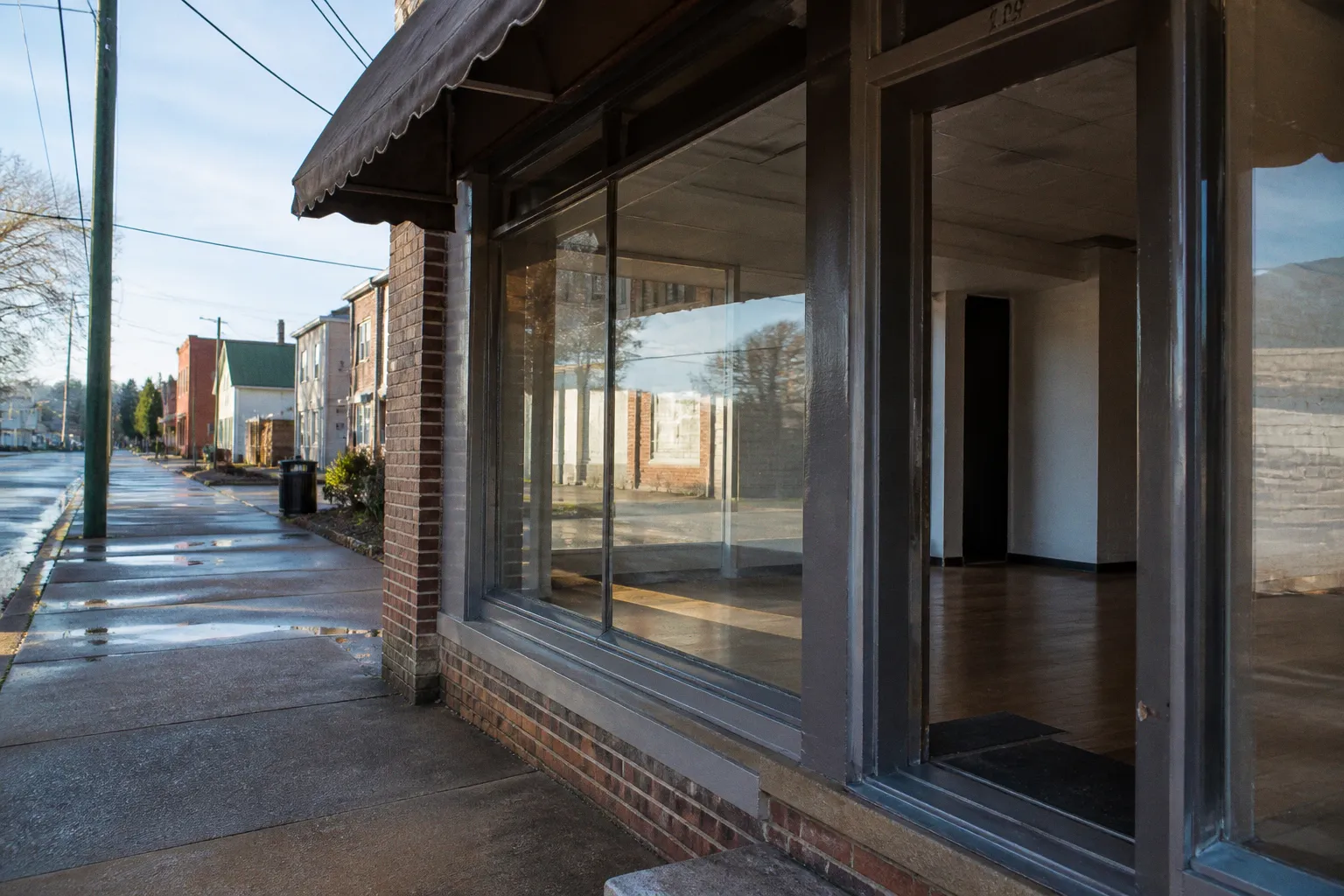
The Maryland Department of Housing and Community Development will review applications submitted during that period, with up to $2 million available per direct loan, a 4% fixed interest rate, and terms of up to 30 years.
Those are meaningful terms for a business trying to acquire a building, complete a storefront renovation, or finish a leasehold project. They are also terms attached to a tightly structured program. The Neighborhood BusinessWorks loan application for Somerset County is not simply a request for cheap capital. DHCD is looking for a qualifying applicant, an eligible project location, a commercial use, a documented cash contribution, and a file that can withstand a detailed review.
For a business owner in Somerset County, the work starts well before the online application opens. The location, ownership structure, project scope, consultation, and financing package all need to line up before the state has a reason to take the proposal seriously.
Who Actually Qualifies in Somerset County
The basic applicant screen is straightforward: the business must have fewer than 500 employees and a base of operations in Maryland. Nonprofits can also qualify, which matters in a county where community facilities, workforce organizations, arts groups, and other mission-driven operators may hold leases or operate from commercial buildings.
The geographic requirement requires more care than the usual shorthand suggests. A project may qualify when it is located in a designated Sustainable Community or in a designated Priority Funding Area. In Somerset County, Crisfield, Princess Anne, and Smith Island are identified as designated Sustainable Communities. Smith Island is a designated community, not a municipality, and it should be described that way when you are checking the program’s geographic rules.
That distinction matters because the program is not limited to a simple list of incorporated places. A project outside those designated Sustainable Communities may still need to be evaluated against Priority Funding Area eligibility. The correct question is not merely whether the address is in Crisfield, Princess Anne, or Smith Island. It is whether the specific project site falls within a geographic area recognized by the program.
That is an address-level question, not something to settle by looking only at a mailing address or the county name. A Somerset County business may have a Maryland operation and a sound financing plan but still need to establish that the project site meets the applicable location requirement. Before investing time in a full package, confirm the address and designation with DHCD or the Somerset County Economic Development Commission.
Local governments are a different matter. Counties, towns, and municipalities are explicitly ineligible applicants under the program rules. A local government cannot simply repackage a civic project through another entity and assume the Neighborhood BusinessWorks structure will treat it as an ordinary small-business loan. The entity applying should be the eligible business or nonprofit that will benefit from the financing and carry the related obligations.
A useful first-pass review of a Somerset County business should answer these questions:
- Does the applicant have fewer than 500 employees?
- Is the business or nonprofit based in Maryland?
- Is the applicant an eligible private business or nonprofit rather than a county, town, or municipality?
- Is the project site in a designated Sustainable Community or Priority Funding Area?
- Does the project include a commercial purpose?
- Can the applicant document the required cash contribution?
- Is the business outside the program’s prohibited categories?
If any answer is uncertain, that uncertainty belongs in the consultation conversation—not buried in the application and discovered by the reviewer.
“The first geographic question is not ‘Which town is this?’ It is ‘What designation applies to this project address?’”
Sustainable Communities, Priority Funding Areas, and Project Scope
The geographic designation determines whether the project can enter the conversation. It does not, by itself, make the project eligible. The project must also fit the commercial purpose of the Neighborhood BusinessWorks program.
The distinction is important in Somerset County because the county includes very different kinds of communities, properties, and development pressures. A storefront renovation in Crisfield, a commercial buildout in Princess Anne, and a business project on Smith Island may look nothing alike on paper. What connects them is not a common building type. It is whether the project location and proposed use fit the program’s requirements.
Projects can involve a range of commercial needs, including:
- Acquisition of commercial real estate
- New construction
- Rehabilitation of an existing property
- Leasehold improvements
- Machinery and equipment
- Working capital
- Other eligible costs associated with a qualifying commercial project
The commercial component is the line that cannot be blurred. A project that is entirely residential—such as apartments, single-family rentals, or condominiums—does not fit the program’s stated use. A mixed-use project needs to be described accurately, with the commercial portion and the proposed use of loan proceeds clearly separated from the residential component.
That means a business should not present a project as a vague property improvement. “Renovate the building” is not a financing scope. DHCD needs to understand what is being acquired or built, which improvements are necessary, what equipment is being purchased, how the space will be used, and how the requested loan relates to the total project cost.
Working capital deserves the same level of precision. It can support the operating needs of a qualifying project, but it should not be treated as unrestricted cash. An applicant should explain why working capital is needed, how it connects to the project, and how the amount was calculated. Payroll, inventory, and operating expenses may be part of a legitimate project budget, but the request still needs to be credible and supported by the business plan and financial records.
A project budget that combines acquisition, construction, equipment, and operating costs without explaining the relationship between them creates work for the reviewer and doubt about the request. A clearer budget shows each major category, identifies the source of the estimate, and makes it possible to trace the requested NBW financing from the total cost to the applicant’s contribution and any other funding.
The project address is only the beginning
The address should be checked before the design is finalized and before the financing package is assembled. Confirm the applicable Sustainable Community or Priority Funding Area status, then keep the documentation or written confirmation with the project file.
Do not make a categorical assumption based only on a nearby town, a county mailing address, or a general belief that a location is “part of” a designated area. Geographic eligibility is tied to the project site. If the site is near a designated area or the status is unclear, ask for confirmation rather than relying on a map impression.
The same discipline applies to a property that is being acquired. If the applicant does not yet own the building, the file should still explain the proposed address, the acquisition plan, the intended commercial use, and the relationship between the purchase and any planned rehabilitation or equipment spending.
The Consultation Is Not Optional—Schedule It First
DHCD requires a one-on-one consultation with its business development team before an application can be submitted. The consultation is a mandatory pre-application step, not a courtesy call that can be skipped when the documents are ready.
That requirement changes the order of operations. The right sequence is not “finish the application, then ask whether the project works.” It is to discuss the project early enough to identify eligibility questions, clarify the scope, and understand what documentation will be expected before the application window opens.
Schedule the consultation well in advance of August 17, 2026. The application window lasts from August 17 through September 17, but that does not mean the consultation can safely be left until the final days. A delayed appointment can leave too little time to revise the project scope, confirm the address, assemble financial records, or resolve an ownership issue.
The consultation is also the point where an applicant can test whether NBW is the right financing tool. A business may have an eligible project but still need a different source for part of the capital stack. Alternatively, a project that sounds promising may need to be narrowed before it can be presented as a commercial loan request.
The Somerset County Economic Development Commission is the local contact for businesses trying to understand the financing landscape. Its office is at 11916 Somerset Avenue, Suite 202, in Princess Anne. The commission does not issue the Neighborhood BusinessWorks loans, but it can help a business organize the local side of the conversation and think through whether the project is ready for state review.
Bring more than a general idea to that first discussion. At a minimum, prepare:
- The exact project address
- A description of the business and its ownership
- The current status of the property, including whether it is owned, leased, or under consideration for acquisition
- A preliminary project budget
- An estimate of the requested loan amount
- The source of the applicant’s cash contribution
- A short explanation of the commercial use and expected business activity
The goal is not to produce a perfect application during the consultation. It is to make the proposal concrete enough that the eligibility and financing questions can be answered before the formal submission.
Navigating the Online Application and Financial Commitments
The NBW application is submitted online. The application package includes a documentation checklist, and the file should be built around that checklist rather than assembled at the last minute.
Expect the package to address the applicant’s financial condition, the project budget, the cash contribution, ownership, organizational documents, and the proposed collateral and guarantees. The precise request will depend on the applicant and project, but the general standard is consistent: the numbers should reconcile, the ownership should be clear, and the funding request should match the project described elsewhere in the file.
The minimum applicant cash contribution is 10% of the total project cost. For a $500,000 project, that means a $50,000 cash contribution. The contribution should be documented as cash available for the project. Promised labor, vague future revenue, or an undocumented commitment from a family member should not be presented as though it were the same thing.
This is where a budget and a financing plan have to work together. If the total cost changes after the applicant calculates the 10% contribution, the rest of the capital stack changes too. A business should be able to show:
1. The full project cost
2. The amount requested from NBW
3. The applicant’s cash contribution
4. Any other committed funding
5. The use of each source
6. The timing of the expenditures
The loan also requires personal guarantees and collateral. Those are not background details to be discovered at closing. Anyone signing should understand that the financing carries a personal repayment obligation, while the financed asset or other pledged property may secure the loan.
For a commercial building undergoing deferred-maintenance work, the collateral structure may involve the property being financed. The actual security arrangement depends on the transaction and the lender’s requirements, so the application should describe the asset accurately and avoid assuming that every project will be secured in exactly the same way.
Fees and the cost of applying
The program identifies three fees:
- A $250 application fee
- A $250 closing fee
- A 1% origination fee based on the loan amount
The application fee is associated with entering the application round, while the closing fee and origination fee are connected with a loan that proceeds to closing. Applicants should include all three in their financial planning and confirm the timing, payment method, and treatment of each fee with DHCD.
The key editorial correction here is simple: the fee amounts are clear, but applicants should not assume more than the program materials establish. Do not describe the fees as refundable or non-refundable unless the governing program information expressly says so. Do not assume they can be added to the loan principal. Treat them as costs that need to be planned for and verified during the consultation and application process.
| Financial Term | What NBW Requires |
|---|---|
| Maximum direct loan | $2,000,000 |
| Interest rate | 4% fixed |
| Maximum term | Up to 30 years |
| Applicant cash contribution | Minimum 10% of total project cost |
| Application fee | $250 |
| Closing fee | $250 |
| Origination fee | 1% of the loan amount |
| Guarantee | Personal guarantee required |
| Security | Collateral required |
A clean application does not hide these commitments in a footnote. It accounts for them alongside construction costs, acquisition costs, equipment, working capital, and the applicant’s available cash.
“A credible application makes the money easy to trace: total project cost, applicant contribution, NBW request, and every major use of funds.”
What the State Won’t Finance
The program’s prohibited business categories are specific. Businesses in the following categories are not eligible for Neighborhood BusinessWorks financing:
- Adult bookstores
- Gambling facilities
- Check-cashing facilities
- Gun shops
- Liquor stores
- Massage parlors
- Pawn shops
- Tanning salons
- Tattoo parlors
- Cannabis businesses
The restriction applies to the business category, not to the quality of the financial package. Strong revenue, valuable collateral, or an otherwise attractive commercial location does not change a prohibited use into an eligible one.
That list also means the applicant should describe the actual business activity rather than relying on a broad label. A property described simply as “retail” may require a more specific explanation of the goods or services being sold. A nonprofit or community facility should identify its operating purpose and how the proposed space will be used. A manufacturer should explain the equipment purchase and the commercial activity it supports.
The program rules establish prohibited business types. They do not, based on the supplied requirements, establish a separate appeal policy. An applicant should therefore avoid assuming that a prohibited use can be appealed or that a reconsideration process is available. The practical step is to resolve the category question before submitting the application and to ask DHCD directly if the business model sits close to one of the listed restrictions.
A hardware store, marine supply business, restaurant completing a commercial buildout, nonprofit community facility, or small manufacturer purchasing equipment may fit the program’s general commercial purpose, provided the applicant, location, project, and other requirements also qualify. The examples are not automatic approvals. They illustrate the kind of operating business the program is designed to support.
Mistakes That Weaken Somerset Applications
The recurring problems are predictable, but that does not make them harmless.
Treating geography as a countywide entitlement
Being located in Somerset County is not enough by itself. The applicant must establish that the project site falls within a designated Sustainable Community or Priority Funding Area, as applicable. The file should identify the exact address and the relevant designation instead of relying on a broad statement about the county or a nearby town.
Waiting to schedule the consultation
The consultation must occur before submission. Leaving it until the application window is already underway creates a compressed schedule and can expose problems after the applicant has already spent time preparing the file.
Calling projected funds a cash contribution
The 10% contribution is a real financing commitment. An applicant should document available cash and explain its source. Sweat equity, an uncommitted promise, or an informal family loan should not be described as though it were verified cash without supporting documentation.
Submitting a residential project as a commercial request
The program does not finance a 100% residential project. If a proposal includes residential and commercial elements, the application should show the commercial component clearly and explain how the requested proceeds will be used.
Hiding the ownership structure
A nonprofit may qualify, but a county, town, or municipality does not qualify as an applicant. The file should make clear who owns or operates the business, who will benefit from the financing, who will sign the loan documents, and who will provide the required guarantees.
Letting the budget drift across documents
The project budget, application form, financial statements, lender materials, and supporting estimates should tell the same story. If the construction estimate says one amount while the financing request is based on another, the reviewer has to determine whether the difference is an error, an uncommitted cost, or an incomplete funding plan.
Treating the fees as an afterthought
The $250 application fee, $250 closing fee, and 1% origination fee should appear in the applicant’s cash planning. Confirm when each is due and how it is handled rather than assuming the fee can be financed or recovered through the loan.
None of these issues requires a sophisticated financial trick to fix. They require an applicant to do the basic work in the correct order: verify the site, discuss the project, document the cash, explain the commercial use, and reconcile the numbers.
Putting the Timeline in Front of You
For a Somerset County applicant targeting the 2026 round, the practical schedule should begin before the summer.
Start with the project address and the basic ownership structure. Confirm whether the site is within a designated Sustainable Community or Priority Funding Area. If the designation is not obvious, get clarification before treating the property as eligible.
Next, contact the Somerset County Economic Development Commission in Princess Anne and arrange the required DHCD consultation. Bring a preliminary budget rather than waiting until every contractor estimate is final. The consultation should happen early enough to leave room for changes.
Then assemble the financial package. That may include financial statements, bank records, tax returns, organizational filings, ownership documents, project estimates, proof of the 10% cash contribution, and information about collateral and guarantees. The exact package will depend on the applicant, so use the current application instructions and consultation guidance as the controlling source.
When the application window opens on August 17, 2026, at 9:00 a.m., the file should be ready to submit rather than still searching for basic records. The deadline is September 17, 2026, at 5:00 p.m. Submit through the online process and account for the $250 application fee according to DHCD’s instructions.
After submission, the review period depends on the state’s process and the volume of applications in the round. The draft program guidance commonly frames statewide approval timing at around 90 days, but applicants should treat that as an estimate rather than a promise about a particular Somerset County file. Closing follows approval and completion of the required loan documents, with the closing and origination fees addressed at that stage according to the program terms.
The schedule is not complicated. It is unforgiving mainly because each step depends on the one before it. A consultation cannot be retrofitted after submission. A geographic question cannot be solved by a stronger financial statement. A missing cash contribution cannot be replaced by confident prose.
The Bottom Line
Neighborhood BusinessWorks is useful precisely because it is structured. Up to $2 million, a 4% fixed rate, and a term of up to 30 years can make a commercial acquisition, rehabilitation, equipment purchase, or leasehold improvement possible where conventional financing leaves a gap.
But the program is not a general Somerset County business grant. The applicant must meet the employee, Maryland-operation, and organizational requirements. The project site must be in a designated Sustainable Community or Priority Funding Area. The project must include an eligible commercial purpose. The applicant must bring at least 10% of total project cost in cash, accept the personal-guarantee requirement, provide collateral, and plan for the listed fees. The business must also fall outside the prohibited categories.
For a business owner considering a neighborhood business works loan application in Somerset County, the most valuable preparation is not filling out the form early. It is making sure the form will describe a project that fits. Confirm the designation for the address, schedule the consultation, define the commercial scope, document the contribution, and build a budget that reconciles from the first line to the last.
That is the difference between an application that merely asks for financing and one that gives DHCD a reason to keep reading.