Lessons from Round Rock: Elevating Downtown Development Standards
According to the City of Round Rock, the municipality has received a planning award for its downtown development standards — the rules that quietly guide what gets built, how streets connect to…
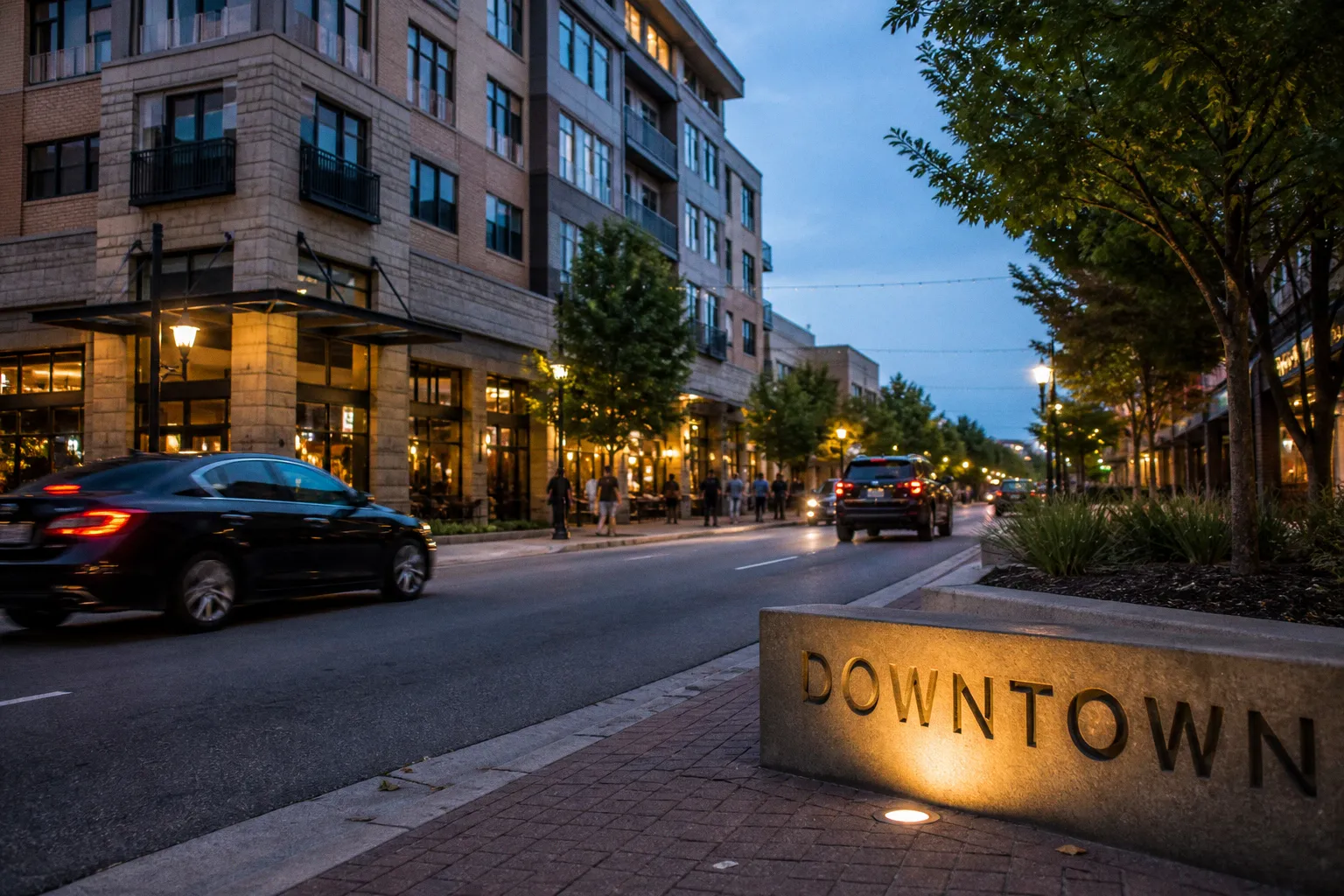
Round Rock earns planning award for downtown development standards
When a Texas city gets recognized for how it's shaping its downtown, the rest of us get a useful mirror to look into. According to the City of Round Rock, the municipality has received a planning award for its downtown development standards — the rules that quietly guide what gets built, how streets connect to sidewalks, and where homes, shops, and gathering spaces can share the same block.
For us here in Somerset County, where small downtowns in places like Princess Anne, Crisfield, and Westover are figuring out their own next chapters, that kind of recognition is worth pausing on. Not because we should copy Round Rock's blueprint, but because it tells us what "good" tends to look like when a community takes its downtown code seriously.
What the standards actually encourage
The City of Round Rock's downtown standards lean into two ideas you'll hear often in modern planning circles: mixed-use zoning and pedestrian-friendly design. Mixed-use zoning means a single building or block can hold a blend of homes, offices, restaurants, and storefronts — the kind of arrangement that keeps a downtown lively at different hours of the day. Pedestrian-friendly design means sidewalks, crosswalks, shade trees, and building entrances that face the street rather than the parking lot — the small choices that make walking feel safe and, on a good day, even enjoyable.
Together, these standards push back against the older pattern of separating everything: shops over here, houses way over there, offices in their own isolated park. That separation is what makes so many small-town main streets feel hollowed out by the time the workday ends.
Why this matters for our block
Here's what I'd want you to take away, sitting across your own kitchen table: awards like this are not just trophies for a city council's shelf. They're signals that a town has done the hard work of writing its rules in a way that rewards the kind of building that makes a downtown feel like a place to linger, not a place to pass through.
So when our county or our municipalities update their comprehensive plans — and they do, on a regular cycle — it's worth asking what kind of downtown our own rules are quietly encouraging. Are we making it easy to put apartments above a Main Street shop? Are we requiring sidewalks wide enough for a stroller and a friend walking side by side? Are we letting buildings come right up to the street, or are we mandating the big parking setbacks that push everything apart?
These are the kinds of questions worth bringing to a planning commission meeting or a council work session, even if you only stay for the first twenty minutes. Showing up is half the work.
What to keep an eye on
The award itself is a moment, but the standards underneath are what actually shape a town. If Somerset County communities want to learn from Round Rock's example, a practical next step is to pull up your own municipality's downtown or village zoning code — usually a few clicks from the town website — and search for the phrases "mixed-use" and "pedestrian." If they're there, it's worth asking how strictly those standards get applied in real proposals. If they're not, it's worth asking why not, and what it would take to get them on the page.
That kind of quiet, curious engagement is how we make sure the planning decisions shaping our physical landscape actually serve the people walking around in it every single day.