How New York City’s Fair Housing Strategy Shapes Future Urban Growth
A confusing housing plan can leave residents wondering what is actually changing on their block—and what is only being proposed.
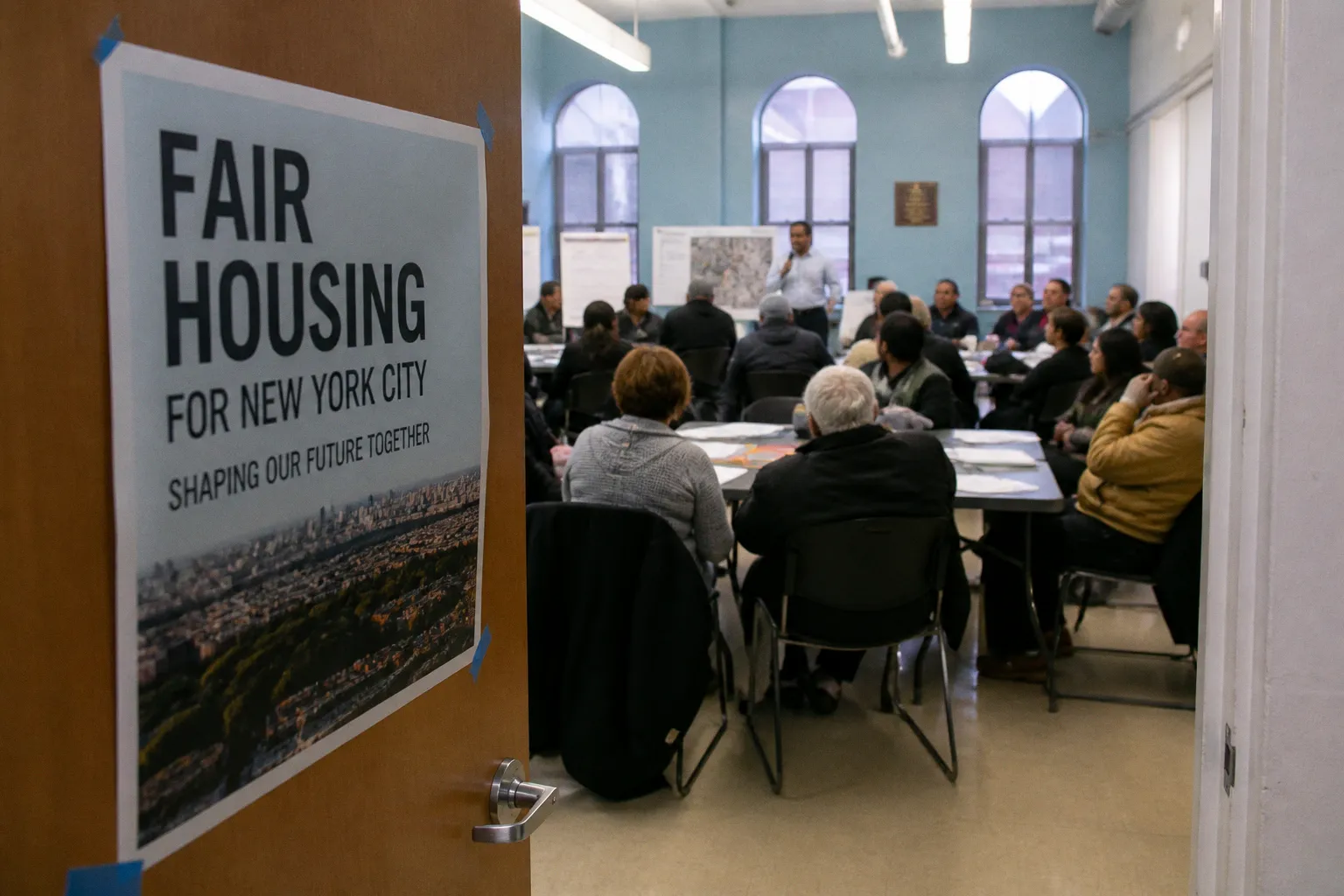
According to New York City’s Department of Housing Preservation and Development and Department of City Planning, the city has released a draft Fair Housing Growth Strategy that estimates a need for approximately 700,000 additional homes over the next decade. The document is not a Somerset County plan, but it offers a useful look at how a large jurisdiction can connect housing needs, production goals, and fairness in neighborhood growth.
The important part is that the strategy is still a draft
The New York City document combines three pieces: a long-term assessment of housing needs, five-year housing production targets, and a strategic equity framework. It also includes housing production targets for each Community District.
That structure matters because housing debates often jump straight to a proposed building, zoning change, or development application. A broader strategy asks a different set of questions first: How much housing is needed? Where should growth occur? How will the city measure whether new homes are reaching communities fairly?
For residents here, the practical lesson is to look for those same layers when reviewing a local comprehensive plan, zoning proposal, or infrastructure decision. A production number by itself does not explain how growth will affect roads, schools, transit, utilities, affordability, or the community fabric. A needs assessment and an equity framework can help show the reasoning behind the target—although the New York City announcement does not yet provide the full details of how each target was calculated.
The draft was released under a city requirement established by the New York City Council in 2023. Officials described it as a framework for understanding where the city should grow and for measuring housing need, while also emphasizing that the final report has not yet been completed.
What residents can do while feedback is open
New York City’s process gives residents several ways to respond: attend one of two virtual public briefings, schedule a one-on-one conversation with city staff, or submit written comments. The public feedback period is intended to shape the final strategy.
That is a reminder for anyone navigating a local board or planning process: the most useful time to participate is often before a proposal becomes final. When a document is still a draft, we can focus on specific questions rather than treating the entire plan as an all-or-nothing fight.
A practical comment might ask:
- What housing need is the plan trying to address?
- How are production targets assigned among neighborhoods or districts?
- How does the strategy define fair or equitable growth?
- What information will residents receive before targets become decisions?
- How will the city measure progress after the plan is adopted?
For Somerset County residents, these are not questions about changing New York City’s policy. They are a checklist for reading our own local planning documents with more clarity. If a future county or municipal proposal includes a housing target, we should be able to identify the need it responds to, the area where growth is expected, and the process for public review.
Why this belongs on our planning radar
The strategy puts a very large housing need into a formal planning framework: approximately 700,000 additional homes over the next decade. That figure comes from New York City’s draft assessment and should not be treated as a number for Somerset County or Maryland.
Still, the approach is relevant to anyone tracking land-use decisions. Growth is not only about how many homes are built. It is also about whether residents can understand the assumptions behind the plan, whether every community is being asked to participate in growth, and whether affordability and access are part of the measure of success.
The next thing to watch is how New York City revises the draft after public feedback. For our community, the broader takeaway is simpler: when a plan is open for comment, we should read beyond the headline number, identify what the targets mean for individual neighborhoods, and ask how the policy will be evaluated once it reaches the ground.