Somerset County housing rehabilitation: application steps
Walk through Crisfield's older blocks or the modest lots scattered around Princess Anne and you'll see the same thing: roofs losing their shingles, fascia boards gone soft, electrical panels patched with mismatched breakers from three different decades.
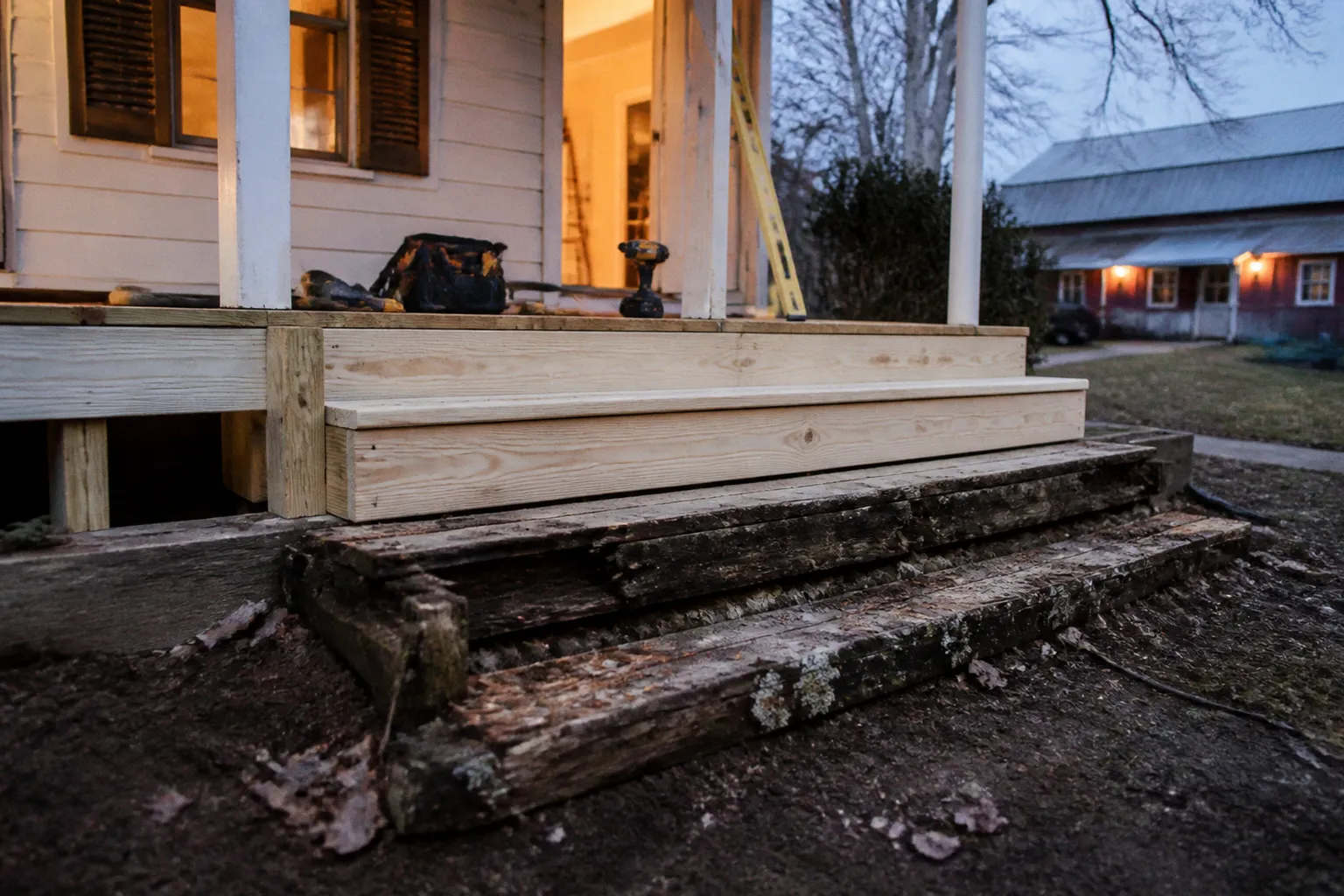
These are not cosmetic problems. They are load-bearing failures — the kind that turn a house into a liability. The Somerset County Housing Rehabilitation Program exists to address exactly this kind of physical decay, and it runs through a specific county office with a specific set of rules. If your home is failing and your budget can't catch up, here is what the process actually looks like, step by step, without the marketing language.
The program fixes what is breaking — roofs, wiring, plumbing, structural rot — not what looks dated.
Who Runs It and Where You Actually Go
The Maryland Housing Rehabilitation Program (MHRP) is administered locally by the Somerset County Department of Technical and Community Services. The office sits at 11916 Somerset Avenue, Suite 211, Princess Anne, MD 21853. The number to call is 410-651-1424. This is the front door. Everything — application intake, income verification, inspection scheduling, contractor coordination — funnels through this office. State-level funding flows down through DHCD, but the county handles the boots-on-the-ground work.
Skip the assumption that this is a state program you can apply to directly through an online portal. Somerset County handles its own intake, and the staff there will walk you through the documentation checklist before anything moves forward.
What the Program Targets: Critical Repairs, Not Remodels
This is not a renovation grant. It is a structural and safety repair program. The eligible scope is narrow by design:
- Roof repair or replacement — when the existing roof has failed or is failing
- Electrical hazards — outdated panels, exposed wiring, overloaded circuits
- Plumbing hazards — failing supply lines, sewer line breaks, no hot water
- Structural rot or damage — joists, sills, subfloor, load-bearing framing
- Lead or asbestos abatement — required for pre-1978 housing stock common across the Eastern Shore
- Mold remediation — typically tied to a moisture source being repaired
- Accessibility modifications — wheelchair ramps, grab bars, bathroom adaptations
What it does not fund: kitchen remodels for aesthetics, new appliances, cosmetic flooring, additions, or anything that reads as "upgrade" rather than "repair." If the inspector walks through and your home is functionally sound, the application stalls. The program is built to address deferred maintenance, not deferred taste.
Eligibility: The Income Numbers That Matter
The qualification ceiling is based on Area Median Income (AMI). The standard threshold is 80% of AMI, though expanded limits have been applied in recent cycles, with 120% AMI caps showing figures like $79,800 for a 1-person household and $114,000 for a 4-person household in the 2026 cycle. The exact figure you qualify against depends on your household size and the year's published thresholds.
Two things to keep straight: this is a household income test, not a personal asset test, and the household size calculation includes everyone living at the property. A retiree on a fixed income in a two-person household will fall under a different cap than a single working adult. The county office will pull the published limits for the current cycle when you apply — don't rely on last year's numbers.
The Application Steps, In Order
The process is methodical. Expect documentation to take time and inspections to drive the scope of work.
1. Verify Ownership and Primary Residency
You must own the home and live in it as your primary residence. The county will require a deed, property tax records, and proof of residency — typically a utility bill or government-issued mail at the property address. Rental properties, vacant homes, and second residences do not qualify. This is owner-occupied single-family housing only.
2. Document Household Income
You'll need to demonstrate that your gross household income falls under the applicable AMI threshold. Pay stubs, tax returns, Social Security statements, disability documentation, and any other recurring income sources go into the file. Self-employed applicants typically need two years of returns plus current profit-and-loss documentation.
3. Initial Home Inspection
A county-arranged inspector walks the property. This is where the program diverges from a typical loan application — the inspection isn't about appraising value, it's about identifying code violations, safety hazards, and structural failures. The inspection report becomes the foundation for the scope of work. If the inspector finds nothing eligible, the application does not move forward. There is no appeals process to force funding for non-critical items.
4. Scope of Work and Contractor Selection
Once the inspection is approved, the county works with you and licensed contractors to define the repair scope. Contractors must be licensed and insured. The county typically has a list of approved contractors or a vetting process — do not assume you can hire your cousin's buddy who does side work. Unlicensed contractors disqualify the project.
5. Funding Mechanism: The Lien You Should Understand
This is the part that catches people off guard. MHRP assistance is not free grant money. It is structured as a low-interest loan, a deferred loan, or a forgivable loan — with a lien filed against the property. The lien stays with the house regardless of who holds the title later. Terms can extend up to 30 years depending on income level and program structure. If you sell or transfer the property before the loan terms are satisfied, the balance typically becomes due.
Deferred loans (where repayment is paused, often until sale or transfer) are common for lower-income households. Forgivable portions may apply if you remain in the home for the full term. But the lien is real, and anyone considering this program needs to understand that the public record will show a mortgage-style obligation on the property until the terms are met.
What You Should Watch For
Three practical realities that don't make it into the program brochures:
- Wait times are not published. The county does not publish a current waitlist length for MHRP funding in Somerset County. Funding cycles depend on state allocations, and demand routinely exceeds supply. Apply, follow up, and do not assume a quick turnaround.
- The home must be bad enough to qualify. Applicants sometimes hope the program will cover preventive work. It won't. The bar is critical repair — code violations, active leaks, structural compromise, health hazards. Marginal conditions typically don't clear the inspection threshold.
- Do not confuse this with the Health Department's CoC program. The Somerset County Health Department runs a separate Continuum of Care supportive housing program that addresses homelessness. Different agency, different eligibility, different funding stream. If your need is homeownership repair, you're in the right place. If the need is emergency shelter or transitional housing, that's a different office entirely.
Practical Realities on the Eastern Shore
Somerset County's housing stock is older, and the older the stock, the more likely it contains lead paint, outdated knob-and-tube wiring, and pier foundations that have shifted over decades. These are exactly the conditions the rehabilitation program was built to address. But the program's narrow scope means it cannot solve every problem a house has. A roof replacement plus electrical panel upgrade is realistic. A whole-house overhaul is not.
Budget overruns are common in older homes — once walls are opened, additional rot or outdated wiring often appears. The county's approved scope may not cover everything discovered mid-project. Applicants should expect surprises and have a contingency mindset rather than assuming the initial inspection captures every failure.