Rethinking Residential Density: Lessons from Frederick County’s Housing Strategy
According to WYPR, the county is confronting a projected need for roughly 31,000 additional housing units by 2035, and officials are now openly asking whether single-family-only neighborhoods can carry that weight.
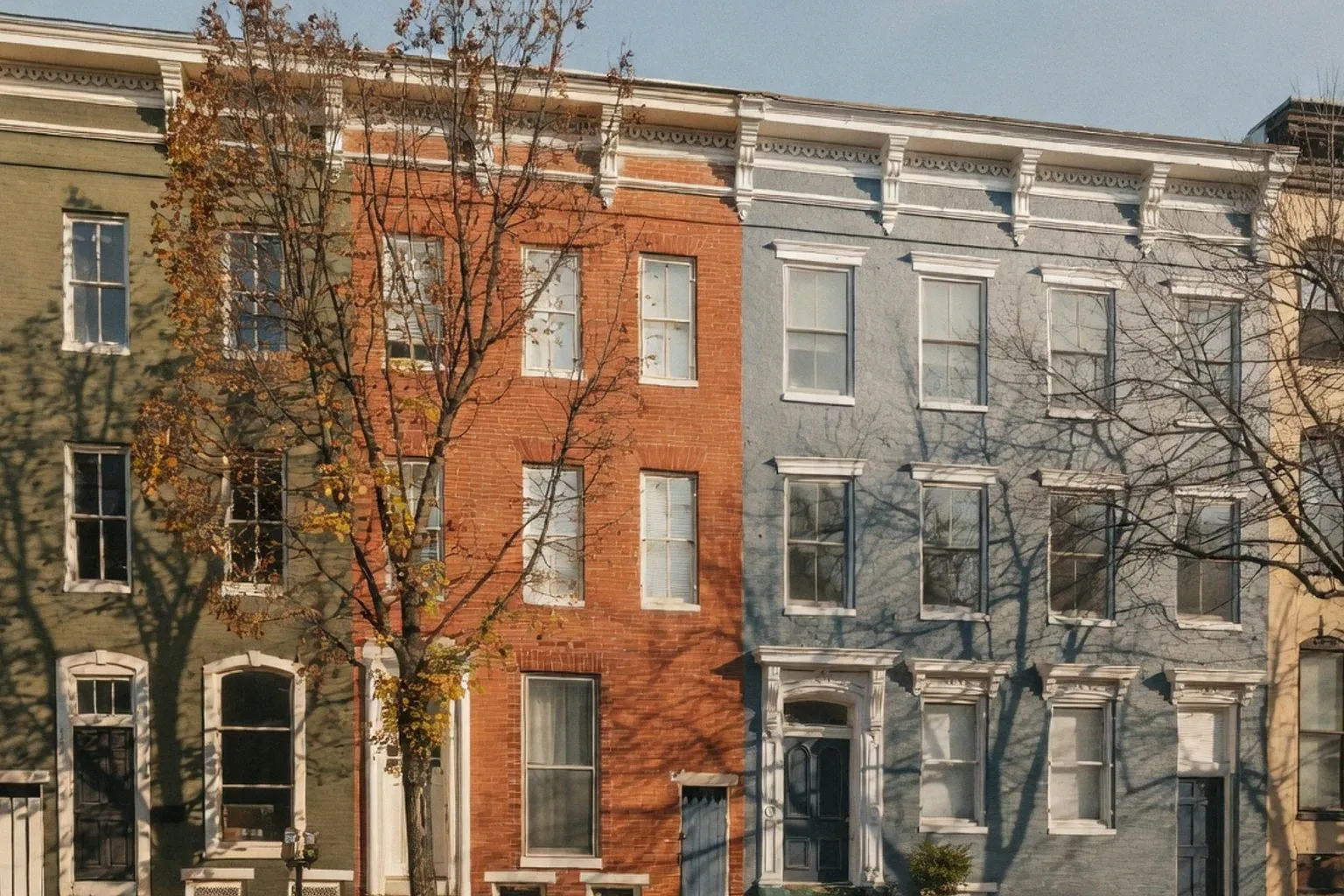
Frederick County wrestles with how to house the next generation of Marylanders, a conversation is unfolding that we on the Eastern Shore would do well to listen in on. According to WYPR, the county is confronting a projected need for roughly 31,000 additional housing units by 2035, and officials are now openly asking whether single-family-only neighborhoods can carry that weight. Hugh Gordon, CEO of the Frederick County Association of Realtors, has been blunt about the stakes.
What the Numbers Are Telling Us
The math here is the kind that tends to slip past us until it shows up as a "for rent" sign we've stopped recognizing. Frederick County currently has more than 108,000 households, and a full 80% of them are single-family homes. Only 20% qualify as medium or high density. Inside the city of Frederick itself, where growth has been concentrated, single-family homes still make up nearly 64% of the housing stock, with high-density options at about 24% and medium-density just under 12%.
The county and city together are now the fastest-growing in Maryland, and the city alone is looking at roughly 14,000 new units by 2035. Average rent in the area runs about $1,700, and the median household income sits near $166,100 — the figure that frames every affordability conversation. Both jurisdictions have made clear that any new growth will be aimed at households earning below that median.
From "Where" to "How Tall"
This is the part where the conversation turns from spreadsheets to skylines, and it's where neighbors like us tend to dig in. Gordon points to the South Frederick Corridors Plan as a working draft of what's possible: about 10,000 homes spread across 6.3 square miles, with density rules rewritten to allow more variety.
If you've ever wondered what "more density" actually looks like on a single acre, the comparisons Gordon offers are worth keeping in your back pocket. Five or six single-family homes can fit on an acre. Townhomes can fit roughly 15, garden apartments around 22, and buildings that rise to five stories can fit up to 88 units in that same footprint. That isn't a hypothetical — it's the arithmetic of how places either accommodate growth or push it somewhere else.
Why This Belongs on Our Radar
We don't share a border with Frederick, but we share a state, a permitting system, and a lot of the same questions arriving at our own planning commission meetings. When Frederick residents push back on the "quaint city feel," when a homeowner worries about whether new units will ever be priced for the people already living there, those are conversations Somerset County is going to have, in our own way, as our own growth numbers come due.
The trade-offs Gordon flagged are familiar ones: development that ignores affordability gets expensive, but compromise that ignores scale doesn't add up. Watching how Frederick balances that tension — before our own version lands on the agenda — is one of the quieter forms of preparation available to us.