Navigating the FY2027 Catalytic Revitalization Tax Credit for Somerset County Projects
According to the Maryland Department of Housing and Community Development, the Fiscal Year 2027 application round for the Catalytic Revitalization Tax Credit is open.
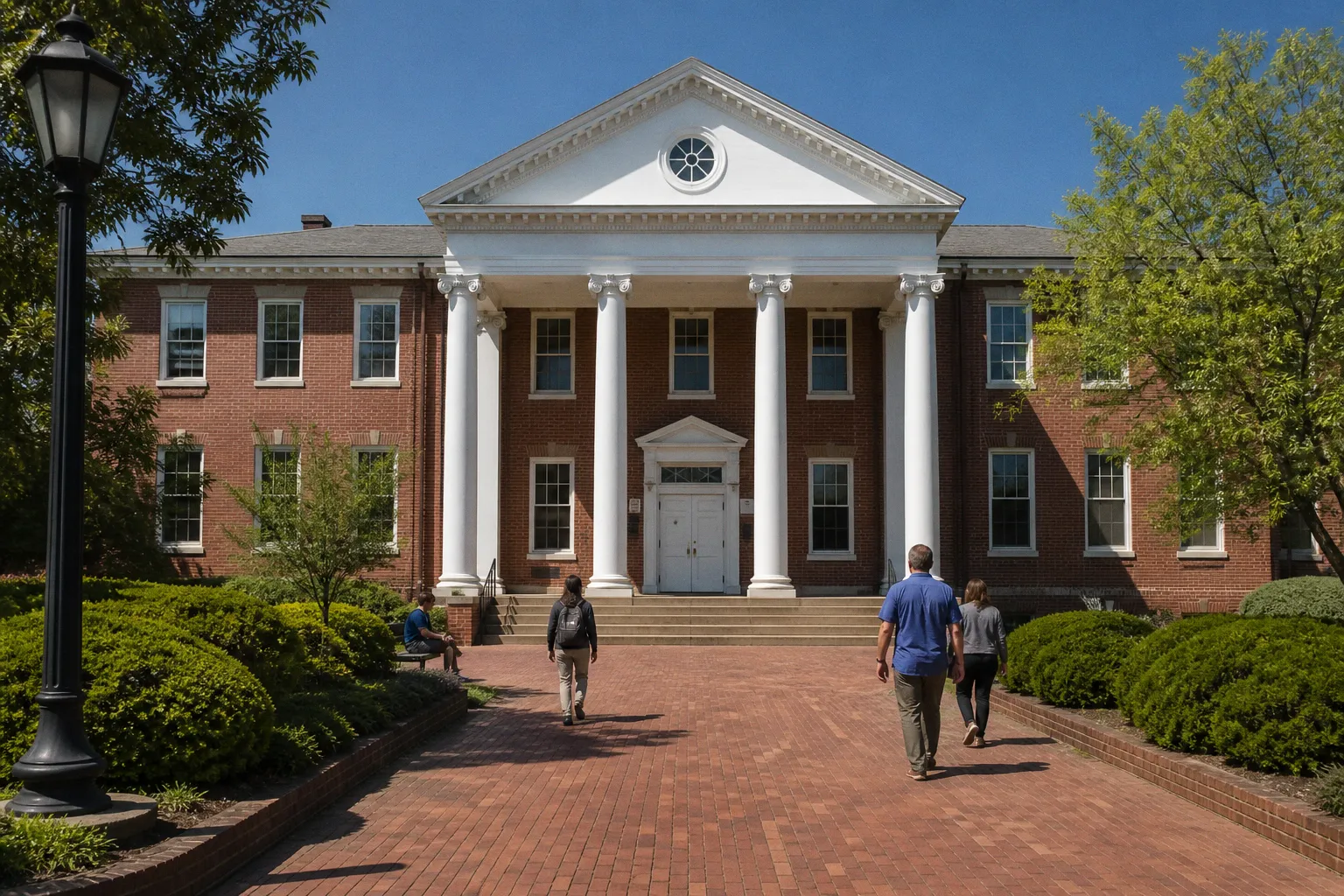
The program provides tax credits for the rehabilitation of properties formerly owned by the state or federal government when the work supports community development. For Somerset County, the relevant issue is not the announcement alone, but whether a qualifying property and a complete redevelopment proposal can be aligned with the program’s statutory purpose.
What the program addresses
The credit is directed at rehabilitation, not general construction activity. The available announcement identifies two controlling characteristics:
- the property must have been formerly owned by the state or federal government;
- the proposed work must support community development.
That distinction matters for land-use review. A project may involve a vacant or underused public property, but the evidence available here does not establish that every publicly owned, historic, or surplus building qualifies. Ownership history must therefore be documented before an applicant treats the tax credit as an available financing source.
The announcement also does not provide, in the available material, the application deadline, award ceiling, required match, eligible costs, scoring criteria, or documentation standards. Those items should not be inferred from the program name. They must be verified in the department’s current Fiscal Year 2027 application materials.
Somerset County relevance
The county is already connected to a separate building-rehabilitation effort involving the University of Maryland Eastern Shore. Bay to Bay News reports that the Somerset County Commissioners sent a letter of support for UMES’s application to the U.S. Department of Agriculture’s National Institute of Food and Agriculture. The proposed grant would fund renovation of Trigg Hall, which houses the Department of Agriculture, Food and Resource Science.
That support does not establish that Trigg Hall is eligible for the Catalytic Revitalization Tax Credit. The available facts identify the building and the proposed renovation, but they do not state that the property was formerly owned by the state or federal government. Nor do they establish that UMES intends to use the Maryland tax credit.
The two developments should therefore be treated as separate funding tracks:
1. UMES and Trigg Hall: a federal grant application supported by the Somerset County Commissioners.
2. Catalytic Revitalization Tax Credit: a Maryland application round for rehabilitation of qualifying former state or federal properties.
A county letter of support may demonstrate local institutional backing for a project, but it is not a substitute for eligibility documentation, ownership records, or a state tax-credit application.
What applicants and local officials should verify
Before incorporating the credit into a redevelopment plan, the responsible party should establish the following sequence:
- Confirm ownership history. Identify whether the property was formerly owned by the state or federal government. Current ownership alone is insufficient on the facts available.
- Define the rehabilitation scope. Separate building rehabilitation from unrelated expansion, new construction, or site work unless the department’s application rules expressly treat those costs as eligible.
- Document the community-development purpose. The project narrative should connect the rehabilitation to a stated community-development outcome without assuming that the department will accept unsupported claims.
- Check the Fiscal Year 2027 application rules. The available announcement confirms that the round opened, but not the filing deadline or technical requirements.
- Separate funding applications. A USDA grant request and a Maryland tax-credit request should be tracked as distinct applications with distinct eligibility tests.
- Coordinate local approvals. Any project affecting land use, building conditions, access, utilities, or public easements would still require review under the applicable county and municipal procedures. The tax-credit announcement does not waive zoning, subdivision, building, or other statutory compliance requirements.
For Somerset County, the immediate planning question is whether a qualifying former government property can be paired with a documented rehabilitation project and a complete application. The announcement creates a funding opportunity; it does not establish eligibility for Trigg Hall or any other specific county property.