Maryland Mandates Energy Efficiency Standards for Affordable Housing Developments
According to the Maryland Department of Housing and Community Development, the state has launched a new process designed to weave energy efficiency standards directly into how affordable housing is built and preserved.
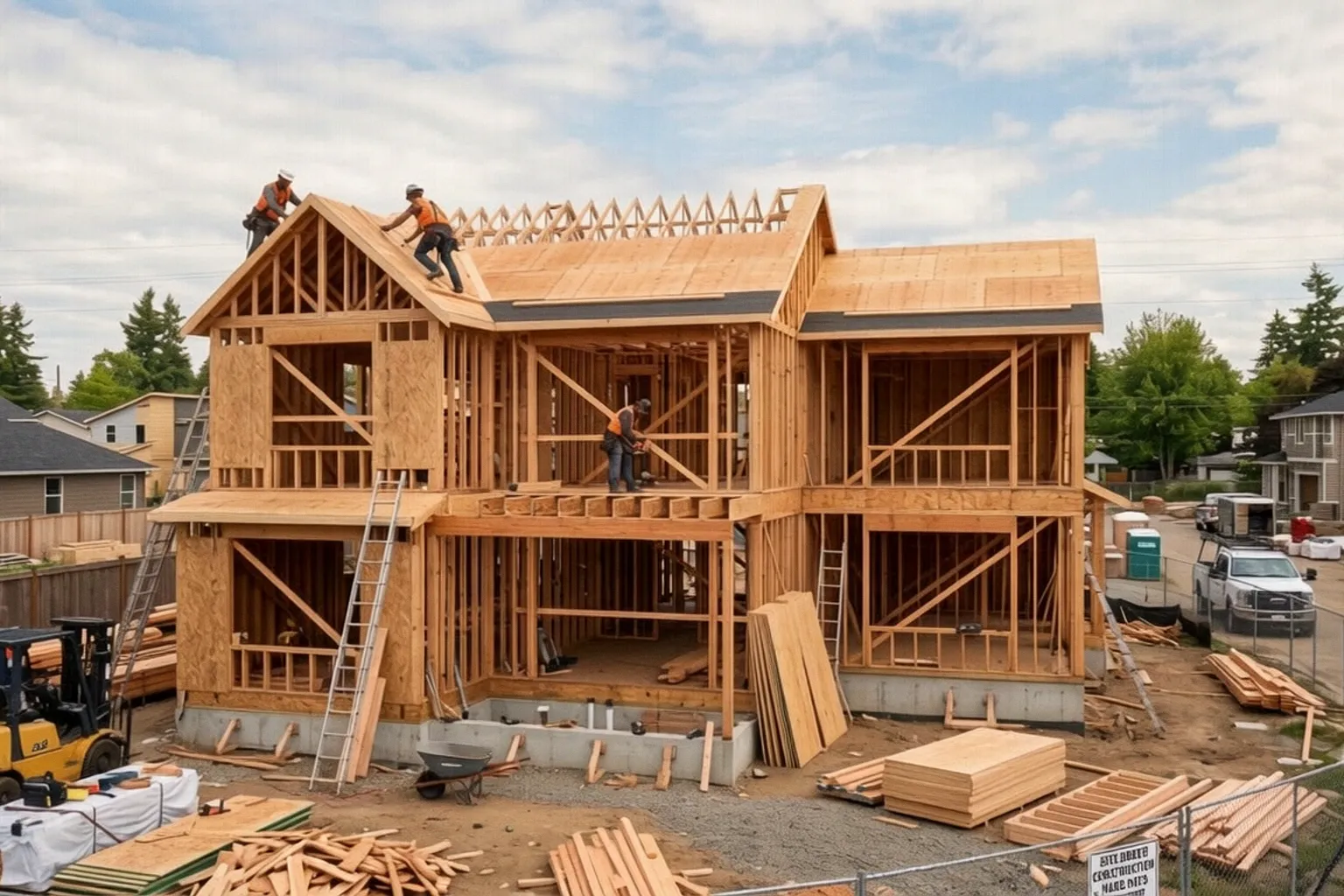
If you've ever wondered why your electric bill keeps climbing while the rental down the street stays drafty in winter, Maryland is starting to take that question seriously at the policy level. According to the Maryland Department of Housing and Community Development, the state has launched a new process designed to weave energy efficiency standards directly into how affordable housing is built and preserved. For our neighbors in Somerset County, where affordable housing stock and utility costs are everyday realities, this is the kind of quiet announcement that can shape what "home" actually feels like a few years from now.
What's actually changing
The state is building a new pathway, not just a recommendation. The Maryland Department of Housing and Community Development announced a new process to integrate energy efficiency standards into both the development of new affordable housing and the preservation of existing units. In practical terms, that means the people planning, financing, and approving affordable housing projects across Maryland will be working with a clearer set of energy benchmarks from day one, rather than treating efficiency as an optional add-on after the fact.
We don't yet have the full rulebook in front of us, and that's worth saying out loud. The announcement signals direction and intent, but the on-the-ground details — which projects qualify, what timeline applies, how local jurisdictions participate — are the kind of thing that tends to surface in follow-up guidance and stakeholder workshops. Your best move is to treat this as the opening chapter, not the whole story.
Why it matters for Somerset County
Affordable housing here isn't just about rent; it's about what it costs to keep a place warm in February and cool in August. When efficiency standards are baked into how housing is developed and preserved, the long-term burden on residents and on local emergency energy assistance programs can shift. A better-insulated building isn't a luxury upgrade — it's a smaller monthly bill, fewer repair calls, and more predictable living conditions for households already stretching every dollar.
There's also a broader federal backdrop worth keeping on your radar. The 21st Century ROAD to Housing Act reshapes how Community Development Block Grant funds flow, tying allotments to whether municipalities actually expand their housing inventory. For smaller counties like ours, where CDBG dollars help fund housing rehabilitation and public infrastructure, the way state energy standards line up with those federal incentives could affect which projects move forward first and which get stuck waiting.
What to watch and where to weigh in
The process is new, which means the comment periods, listening sessions, and implementation timelines are still being mapped out. If you live near an affordable housing property, serve on a local housing board, or simply want to see what "energy efficiency standard" ends up meaning in practice, this is the moment to start paying attention. Decisions made in the first round of implementation tend to set the template for everything that follows.
For our part, we can treat this announcement the way we treat any good piece of civic news: not as a finished answer, but as an invitation to show up. Watch for the state's implementation details, ask your local planning office how Somerset County projects might be affected, and bring your lived experience to whatever public input opportunities open up. The standards get stronger when the people they're meant to serve are in the room when they're being written.