Leveraging Data Center Moratoriums for Strategic Land-Use Planning
According to Tech Policy Press, a data center moratorium is most useful when treated as a defined study period rather than an indefinite prohibition.
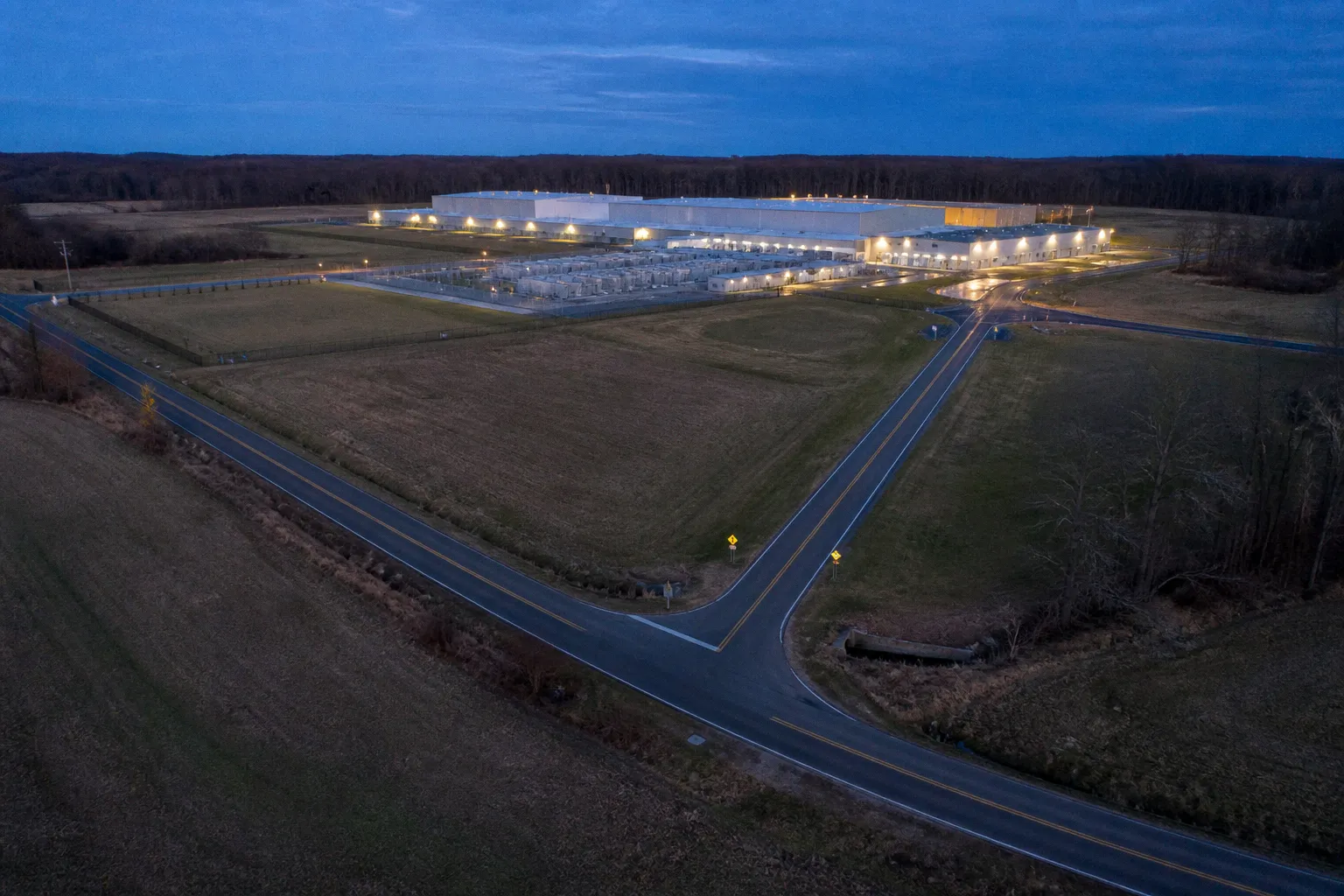
New York’s July 14 executive order created a statewide pause on permits for hyperscale facilities drawing at least 50 megawatts, potentially lasting up to one year. For Somerset County communities evaluating similar land-use controls, the operational question is what information must be collected before zoning, utility, and permitting decisions resume.
A moratorium does not resolve data center impacts by itself. It creates time to identify the applicable development standards, establish the required evidence, and determine whether existing ordinances provide adequate statutory compliance.
Define the scope before reviewing applications
The first task is to identify which proposals fall within the moratorium or study process. Tech Policy Press cites several indicators that a project may involve a data center even when the application uses less specific terminology:
- A vague description such as “light industrial” or “technology park”
- A large tract of land
- Anticipated high electricity consumption
- Anticipated high water consumption
- Use of a limited liability company as the applicant or project vehicle
- Early contact with economic development organizations
These indicators are not, by themselves, a legal definition. They are screening criteria. A county or municipality should use them to determine whether a proposal requires additional review before the planning process advances.
The application record should then be checked for the information needed to evaluate land-use effects. That includes the proposed site, the project description, expected power demand, expected water demand, and the identity of the applicant. The available source does not establish a specific Somerset County threshold or application form. Those details should not be inferred from New York’s statewide action.
Use the pause to build a documented review
The central value of a moratorium is administrative sequencing. Local officials can use the period to move from an incomplete application to a defined policy framework.
A practical review should proceed through four questions:
1. What is the project?
Confirm whether the proposal is a data center or is being presented under a broader land-use category.
2. Where would it be located?
Examine the parcel configuration and the relationship to existing zoning districts, infrastructure, and surrounding land uses. The available material identifies large land parcels as a relevant warning sign but does not provide site-specific Somerset County data.
3. What infrastructure would it require?
Document expected electricity and water use. These demands are among the issues identified in the source material and are directly relevant to infrastructure planning.
4. Which standards would govern approval?
Review the applicable zoning provisions, permitting procedures, and any proposed state legislation concerning model zoning codes, local regulation, or moratorium procedures.
This sequence matters because a moratorium can fail as a planning tool if officials collect public comments without establishing the technical information required for a decision. The study period should produce written findings, proposed ordinance language, or a determination that existing controls are sufficient.
Convert the study period into enforceable rules
Tech Policy Press reports that Cuyahoga County, Ohio, published recommendations for local communities in May 2026. The material covers multiple issue areas and includes guidance for recognizing data center applications and questions officials should ask developers. It is presented as one of several publicly available resources from governments, researchers, and advocacy organizations.
The source also identifies 17 public resources reviewed for potential policies and questions, along with proposed state legislation addressing model zoning codes, local authority, and moratorium procedures. For a Somerset County municipality, these materials can serve as a comparison set—not as binding local law.
The resulting policy should state, with precision:
- Which facilities are covered
- Which applications are paused
- How the pause interacts with pending permits
- What studies or disclosures are required
- Which agency or board conducts the review
- What conditions allow the moratorium to end
- Whether the result will be a zoning amendment, a new permitting procedure, or no change
The distinction between a study and a development ban is material. A study period requires a defined scope and an endpoint. A permanent regulatory framework requires adopted standards. Neither should be implied merely because a community has issued a temporary pause.
For Somerset County residents and local officials, the relevant action is therefore procedural: identify whether a proposed project is being described indirectly, verify its land and infrastructure demands, and track whether the municipality converts its findings into enforceable zoning provisions. The definitive measure of a moratorium is not the length of the pause. It is whether the pause produces clear standards for the next application.