Understanding Sussex County Land-Use Hearings and Zoning Procedures
According to Bay to Bay News, Sussex County’s Planning & Zoning Commission will hold a public hearing on Wednesday, October 7, 2026, at 3 p.m., followed by a Sussex County Council hearing on Tuesday, December 1, at 1:30 p.m.
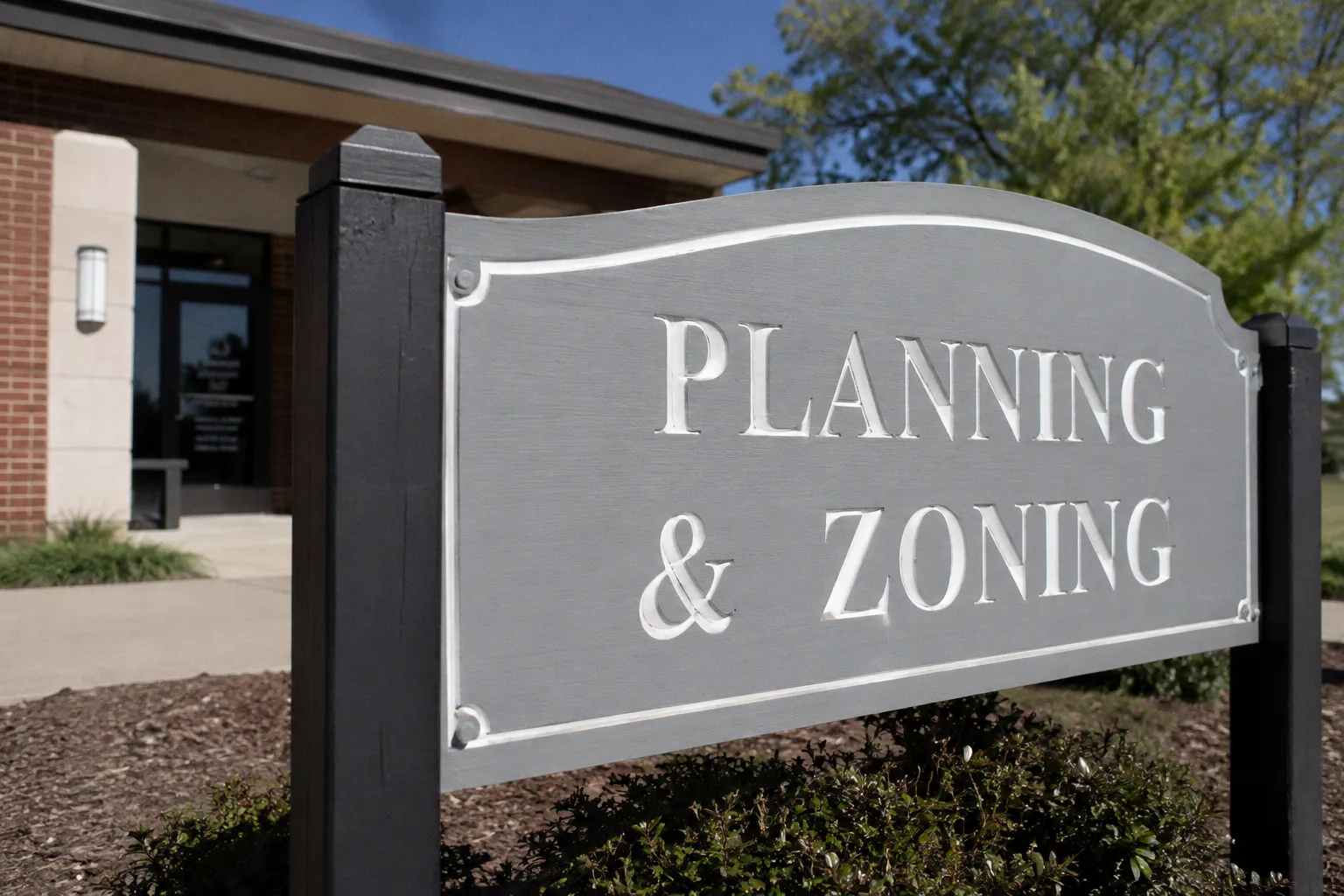
The meetings will consider several land-use applications in Sussex County, Delaware—not Somerset County, Maryland—so the first practical step for local readers is to recognize the jurisdiction before treating the notice as a change affecting our own community. Still, the hearing offers a useful reminder of how conditional-use requests, zoning-map amendments, and public testimony move through a county process.
What the Sussex County hearings will cover
The October Planning & Zoning Commission hearing and the December County Council hearing will address four listed applications.
One request, identified as C/U 2548, seeks conditional use approval for 54 multifamily dwelling units on approximately 12.8 acres in an MR Medium-Density Residential District. The parcel is on the south side of Hickman Road, approximately 560 feet east of Cedar Neck Road, with the listed address of 38492 Hickman Road in Ocean View.
A second request, C/U 2593, concerns indoor storage units on approximately 0.22 acres in an AR-1 Agricultural Residential District. The property is at 17659 Stingey Lane in Lewes, on the east side of the lane and approximately 195 feet north of Beaver Dam Road.
The third, C/U 2609, seeks conditional use approval for an auto repair shop on approximately 13.5 acres in an AR-1 district. The property is on the east side of Vaughn Road, approximately 0.34 miles north of Asbury Road. The notice does not list a 911 address for that parcel.
The fourth application, C/Z 2051, would amend the Sussex County Comprehensive Zoning Map from AR-1 Agricultural Residential to C-2 Medium Commercial for approximately 8.99 acres. The properties are on the west side of Sussex Highway, about 1.10 miles south of Adams Road, with listed addresses of 14890, 14906, and 14910 Sussex Highway in Bridgeville.
These are requests for public consideration, not statements that the proposed uses have been approved. That distinction matters whenever we read a planning notice: the hearing is the point at which residents, applicants, and county officials consider the proposal and its record.
How residents can participate
The county says all public hearings will be held in County Council Chambers at 2 The Circle in Georgetown, Delaware. The public is encouraged to participate, and additional instructions about participation and viewing options will appear in the agendas for the meetings. Those agendas are expected to be posted at least seven days before each hearing at the Sussex County website.
If you plan to comment, start by identifying the application number and property that concerns you. That keeps your testimony connected to the actual request rather than to a broader, harder-to-follow concern about growth. You can review the county’s Land Use Application Docket and examine the available application documents, maps, and public comments online before the meeting.
Written comments will also be accepted if you cannot attend. The notice says they must be submitted before the relevant public hearing. For additional information, residents may review materials online or call the Planning & Zoning Department at 302-855-7878 to arrange an appointment. The department lists office hours as Monday through Friday, 8:30 a.m. to 4:30 p.m.
What this means for our local planning watch
For Somerset County readers, the most important takeaway is geographic: these specific applications are in Sussex County, Delaware, and the notice does not describe a Somerset County project. We should not fold them into our own county’s development record or assume that a hearing elsewhere changes zoning on our block.
But the process is familiar to anyone navigating the board or trying to understand how a nearby proposal could affect the community fabric. A conditional-use request asks the county to consider a particular activity within an existing zoning district, while a zoning-map amendment asks to change the district designation itself. In both cases, the public record, maps, application details, and testimony help officials evaluate what is being proposed.
When a similar notice appears closer to home, check the jurisdiction, application number, parcel location, hearing date, and comment deadline first. Then look for the agenda and supporting maps before deciding what questions your testimony should answer. That simple sequence helps turn a confusing notice into something practical: what is proposed, where it would occur, which decision-maker is involved, and how you can be heard.