State Legislative Trends Reshaping Local Land-Use Authority in 2025
State legislatures introduced 511 bills in 2025 that would preempt county authority over land use, with 138 of those measures enacted into law, according to Ballotpedia News reporting on National…
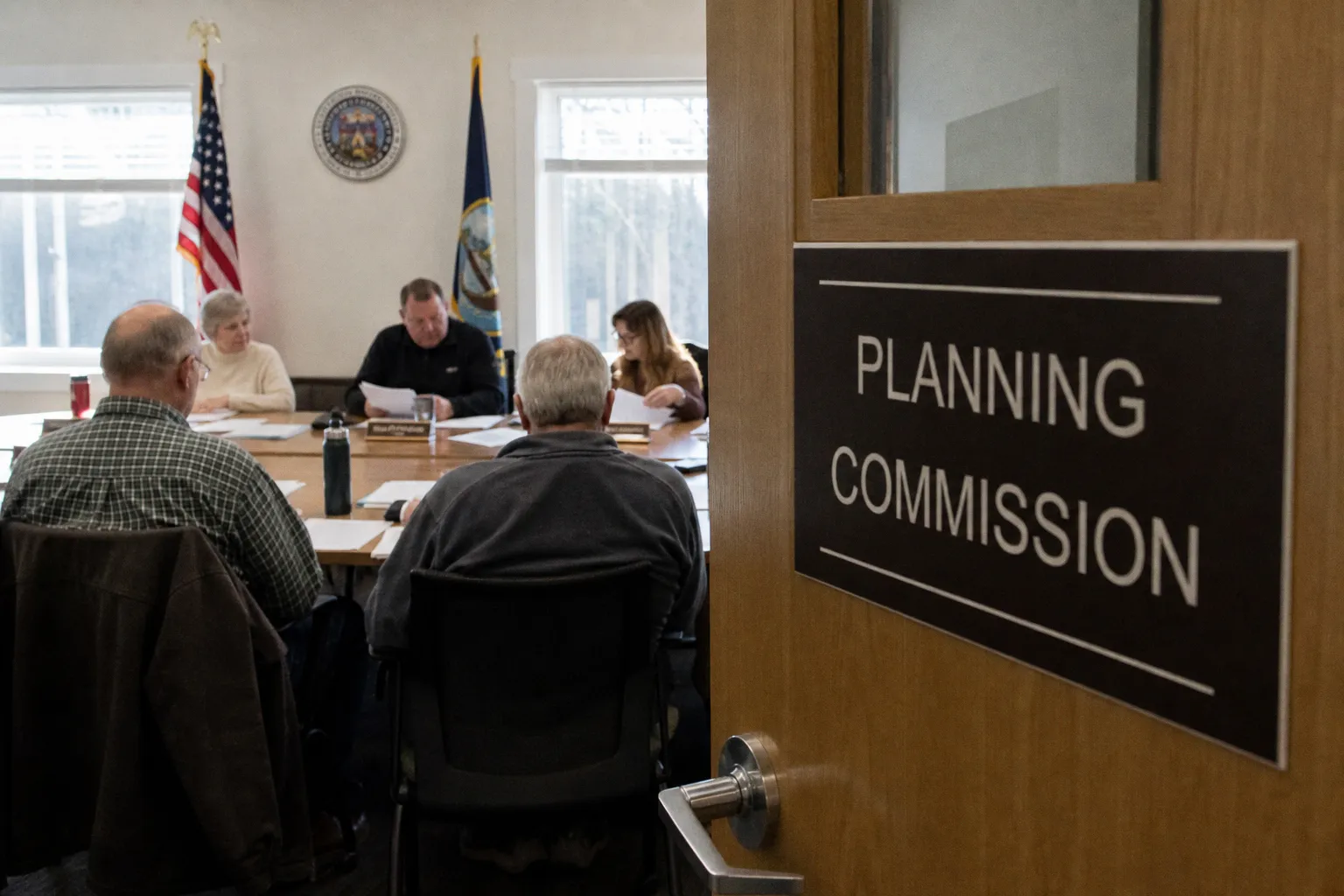
State legislatures introduced 511 bills in 2025 that would preempt county authority over land use, with 138 of those measures enacted into law, according to Ballotpedia News reporting on National Association of Counties (NACo) data. The legislative activity, distributed across 40 states, addressed zoning, permitting, development standards, and adjacent land-use categories. For Somerset County, the data point establishes a structural condition: state-level statutes now routinely displace the discretion codified in local comprehensive plans.
Scope and Statutory Mechanics
NACo classified 77% of the 2025 land-use bills as measures that would significantly change county authority — either by imposing new requirements on counties or by removing existing county powers. Preemption, in this context, is the legal mechanism by which a higher level of government limits or overrides the authority of a lower level. States define the powers available to counties and may restrict those powers through statute.
The 511 bills clustered across four functional categories:
- Housing: 192 bills aimed at reducing county authority over housing decisions. 29% of these measures became law. Topics included affordable housing, accessory dwelling units (ADUs), building permits, density requirements, and related development standards.
- Economic development: 55 bills.
- Energy development: 28 bills, primarily addressing county authority over the siting, zoning, and permitting of wind and solar projects.
- Other land-use policies: the remaining measures.
The operative mechanisms varied by bill. Some required counties to meet statewide standards. Others prohibited counties from adopting specified local regulations. A third subset altered local procedures — including permitting requirements and review timelines. The broadest measures displaced county regulations entirely with state-administered alternatives.
Verification Targets for Somerset County
The preemption volume is a structural indicator, not a forecast for any single jurisdiction. The practical task is to measure the national trend against Maryland's specific legislative output and identify points where state action overrides provisions of the Somerset County Comprehensive Plan or local ordinances.
Four statutory checkpoints apply:
1. Housing preemption: identify any 2025–2026 Maryland bill that addresses ADUs, residential density, building permits, or affordable housing mandates and would override County ordinance provisions.
2. Energy siting: determine whether Maryland has enacted or moved legislation on county authority over the siting, zoning, or permitting of wind or solar projects.
3. Procedural timelines: review whether state law has revised notice requirements, permit review deadlines, or approval thresholds that bind the Somerset County Planning Commission.
4. Economic development overrides: assess whether state-level site selection or incentive authority has been extended at the expense of county land-use discretion.
The data establishes that statewide preemption of county land-use authority is no longer episodic. It is a recurring legislative pattern across 40 states, and Somerset County's exposure depends on the specific text of any enacted Maryland statute — not on the national count.