Somerset County Refines 2050 Comprehensive Plan Ahead of October Hearing
5% — during a work session on the draft 2050 Comprehensive Plan, as reported by The Southern Maryland Chronicle.
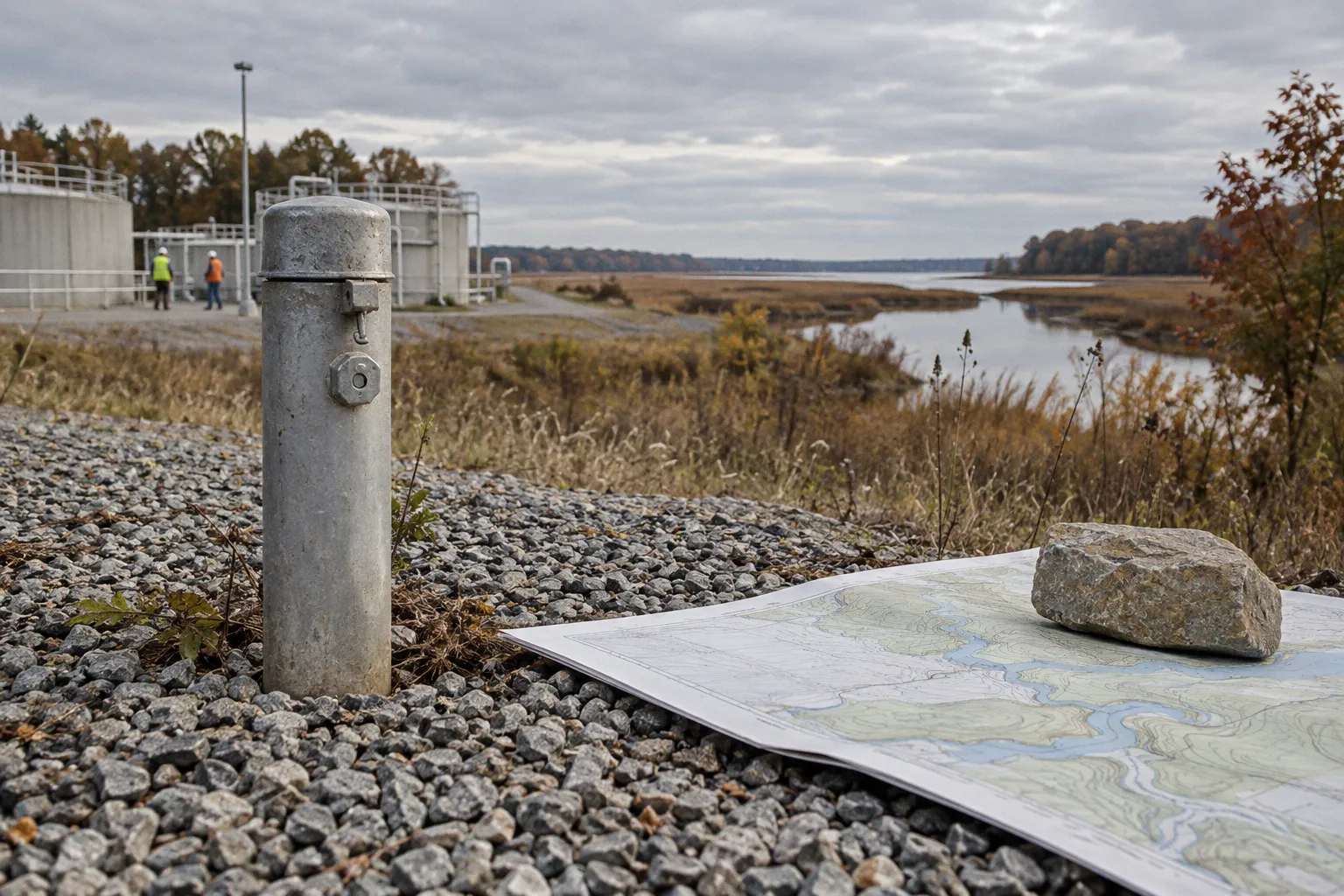
One St. Mary's County commissioner cited a 16% to 18% annual growth rate inside the Town of Leonardtown — against a countywide baseline of roughly 1% to 1.5% — during a work session on the draft 2050 Comprehensive Plan, as reported by The Southern Maryland Chronicle. The board directed dozens of textual revisions chapter by chapter and confirmed a public hearing for 6:30 p.m. on October 6. The proposed plan would replace the county's 2010 comprehensive plan, consolidate twenty-three land-use categories into nine, and enumerate 282 action items across ten subject areas.
Plan Scope and Directed Revisions
The draft governs land-use decisions through 2050 and consolidates twenty-three existing categories into nine. Staff reported the document contains 282 individual action items distributed across ten subject areas: growth management, housing, economic development, environment, transportation, public facilities, public health, hazards and resiliency, and implementation. Much of the work session consisted of commissioners flagging language they characterized as outdated or overcommitted. Staff were directed to soften statutory phrasing — replacing "will develop" with "will consider developing" and converting "explore the use of" into "continue to use" — in policies describing functions the county already performs, including intergovernmental agreements and farmers market support.
The board instructed planning staff to incorporate the following changes:
- Add references to the county's Equivalent Dwelling Unit (EDU) transfer program as a growth-management tool, alongside existing Transferable Development Rights language.
- Strike a policy formally protecting the old railroad right-of-way for future light rail service, preserving county control over the corridor rather than committing to a specific transit use.
- Remove a policy on maintaining fish and shellfish stocks, which the board determined falls under state and federal jurisdiction rather than county authority.
- Insert language recognizing single-family homeownership as a tool for intergenerational wealth building.
- Add a new goal ensuring zoning accommodates emerging industries that do not fit existing categories, with cannabis and data centers cited as examples.
- Add policy language supporting passenger ferry and water transit options in the transportation chapter, aligning with existing economic development language.
- Soften a proposed audit of public infrastructure in older neighborhoods, replacing a hard commitment with language about exploring or planning the work.
The Leonardtown Annexation Gap
The most substantive exchange concerned municipal authority over growth inside Leonardtown. A commissioner argued the town can annex county land and unilaterally reclassify development rights — converting, in the commissioner's description, a rural preservation parcel with seven rights into one bearing hundreds. Because Leonardtown does not collect the county's construction excise tax that funds school construction, the commissioner contended that resulting enrollment and infrastructure demands strain county facilities over which the county has limited statutory authority to plan. The exchange produced no directed revision but flagged the coordination challenge for the hearing record.
Verification Points for the October 6 Hearing
Adjacent-jurisdictional staff and property owners should confirm the following at 6:30 p.m. on October 6:
- Final text of the EDU transfer program references and the sequencing of TDR versus EDU mechanisms.
- Disposition of the railroad right-of-way language and any reversion to general county-control language.
- Final scope of the emerging-industries zoning goal and whether data centers receive a defined use category or remain a catch-all.
- Whether any cross-jurisdictional language addressing annexation and excise-tax coordination with Leonardtown appears in the implementation chapter.
The hearing record will determine whether the board closes the structural gap between municipal annexation authority and county growth-management tools before forwarding the plan for adoption.