Bridging the Gap Between Comprehensive Plans and Zoning Ordinances in Maryland
The Maryland Department of Planning will convene an educational webinar on the operational translation of municipal comprehensive plans into enforceable zoning ordinances, per an announcement…
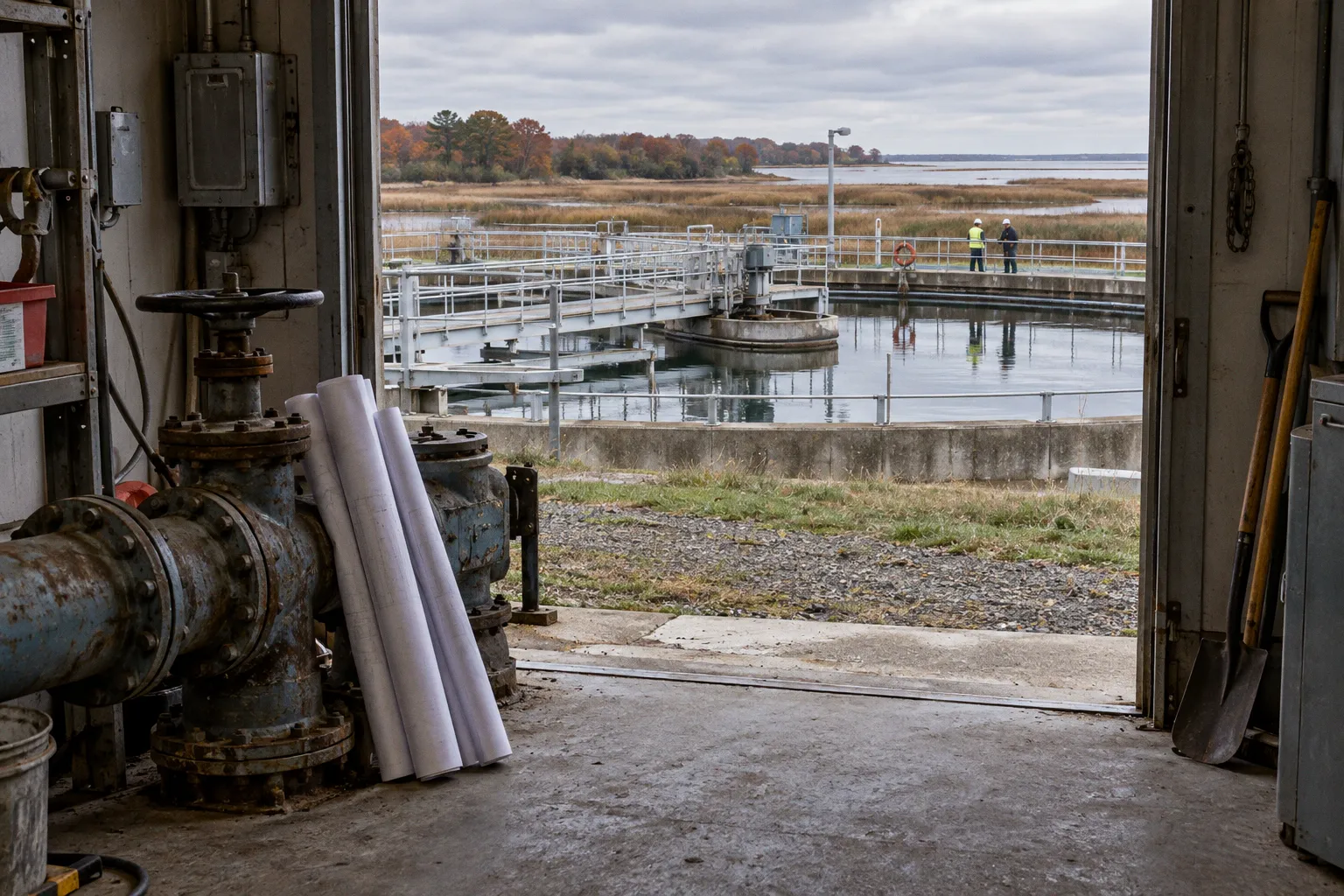
The Maryland Department of Planning will convene an educational webinar on the operational translation of municipal comprehensive plans into enforceable zoning ordinances, per an announcement reported by Conduit Street (MACo). The session applies Chestertown and Eastern Shore Land Conservancy datasets as case studies in sustainable land-use methodology and fiscal valuation. For Somerset County municipalities, the timing coincides with active revisions to several local comprehensive plans and the run-up to the next state-mandated review cycle.
Code Translation Mechanics
The announced curriculum targets a recurring procedural gap: comprehensive plan language without parallel zoning ordinance amendments remains advisory under Maryland's Land Use Article. Webinar content is structured around statutory cross-walk methodology — mapping plan elements to dimensional standards, use tables, and overlay district designations. Chestertown functions as a small-municipal case study; the Eastern Shore Land Conservancy contributes regional conservation data directly germane to Somerset County's Priority Preservation Area delineations, agricultural land preservation easement procedures, and transfer tax allocation calculations.
The practical implication for zoning administrators: a comprehensive plan statement of intent carries no enforceable regulatory weight until transcribed into ordinance text. Webinar attendees can expect guidance on identifying which plan elements require code-level action versus which remain policy guidance.
Concurrent State Processes Requiring Monitoring
Somerset County stakeholders should track two parallel state activities with direct land-use implications. The Maryland Department of Transportation's Draft Consolidated Transportation Program for FY 2027–2032, totaling $21.9 billion, includes a dedicated Somerset County stop on the statewide consultation tour, per reporting from DelmarvaNow.com and Eastern Shore Undercover. Locally, design work on the acceleration lane at U.S. 13 and Maryland Route 667 is slated for completion by end of calendar year 2026.
The final CTP is scheduled for submission to the General Assembly in January 2027 following the consultation tour. Capital project alignment will trigger zoning administrator review at the access-management, setback, and right-of-way dedication stages — areas where Somerset County's subdivision regulations and zoning code will require cross-reference against state transportation priorities.
Compliance Verification Steps
For planning commissions, zoning administrators, and land-use counsel operating within Somerset County, the following sequence is advisable:
1. Audit current comprehensive plan elements against existing zoning ordinance articles. Flag policy statements lacking corresponding code sections — particularly those addressing growth tier boundaries, residential density ranges, and commercial node definitions.
2. Compare Chestertown's recent ordinance amendments against municipal scale and jurisdictional complexity to determine replicable provisions.
3. Retain all MDOT consultation tour documentation. Somerset County session records will inform future capital project consistency reviews and any required subdivision regulation amendments.
4. Schedule pre-submission review of pending zoning text amendments against the forthcoming January 2027 CTP to identify access-management conflicts before formal application intake.
Definitive Summary
The webinar addresses a structural problem in Maryland planning practice: the legal force of zoning derives from ordinance text, not plan narrative. Somerset County municipalities preparing for the next state-mandated review cycle retain a defined procedural window to reconcile policy aspiration with code mechanism. Monitoring of the MDOT CTP process runs in parallel and will condition the right-of-way and access provisions that the eventual code amendments must accommodate.